Wrongful Death
When someone dies because of another person's negligence, recklessness, or intentional act, the surviving family members may have the right to file a wrongful death lawsuit. These cases arise from all kinds of situations, including car accidents, medical malpractice, defective products, workplace incidents, and violent crimes.
California law allows certain family members and dependents to seek compensation for the financial and emotional losses caused by their loved one's death. No lawsuit can undo what happened, but a wrongful death claim can provide financial stability and hold the responsible party accountable. If you've lost a family member under circumstances that someone else caused, understanding how wrongful death law works in California is an important first step.

Wrongful Death - FAQ
Disclaimer: The information provided in this article is for general informational and educational purposes only. It is not intended to constitute legal advice and does not create an attorney-client relationship. Statutes of limitations and legal rights can vary based on specific facts and circumstances. The information contained herein can change due to changes in the law. You should not rely on this information without consulting a qualified attorney about your particular situation.
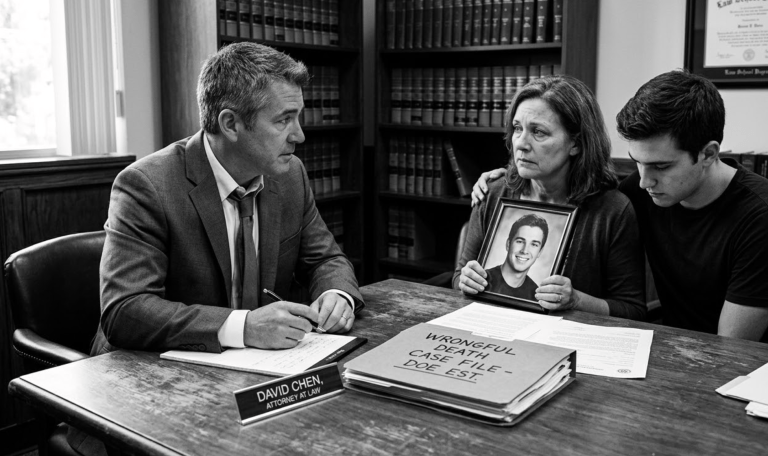
How much does a wrongful death lawyer cost?
Most wrongful death attorneys work on a contingency fee basis. That means you pay nothing upfront, and the attorney only collects a fee if the case results in a settlement or verdict in your favor. The standard contingency fee for wrongful death cases typically falls between 33% and 40% of the total recovery. These fee amounts can rise higher if cases need to be aggressively litigated and taken to trial.
The percentage can vary depending on the complexity of the case and the stage at which it resolves. A case that settles early, before litigation, may carry a lower percentage than one that goes through trial. Some attorneys also advance the costs of litigation, including expert witness fees, filing fees, and investigation expenses, and then recover those costs from the final settlement or award.
There is no set statutory cap on contingency fees for wrongful death cases in California, but the fee must be reasonable under the Rules of Professional Conduct. Before signing any agreement, make sure you understand how the fee is calculated and what costs will be deducted from your recovery. There is an exception for medical malpractice cases under MICRA (Medical Injury Compensation Reform Act) which sets attorneys fees depending on what phase the case resolves.
Free consultations are standard in the wrongful death space. That initial meeting gives you a chance to discuss your case, understand the process, and ask about fees without any financial obligation.
What is an example of wrongful death?
Wrongful death can arise from a wide range of circumstances. Here are a few common examples.
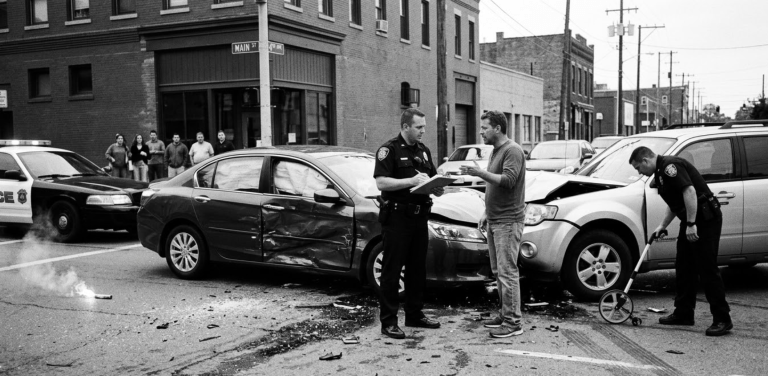
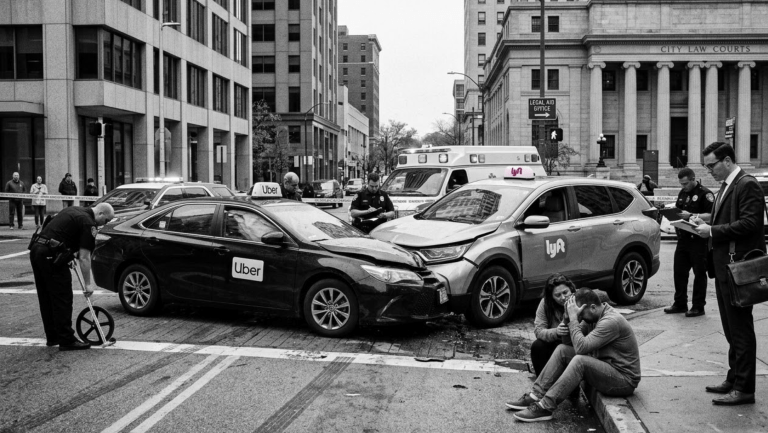
A driver runs a red light and strikes another vehicle, killing the other driver. The surviving spouse and children of the deceased can file a wrongful death claim against the at-fault driver.
A patient dies during surgery because the surgeon made a preventable error or failed to follow the standard of care. The patient’s family may have a medical malpractice wrongful death claim against the surgeon and the hospital.
A construction worker is killed on a job site because the employer failed to maintain safe equipment or follow OSHA regulations. While workers’ compensation typically covers workplace deaths, a wrongful death lawsuit may be filed against a third party, such as an equipment manufacturer or a subcontractor whose negligence contributed to the death.
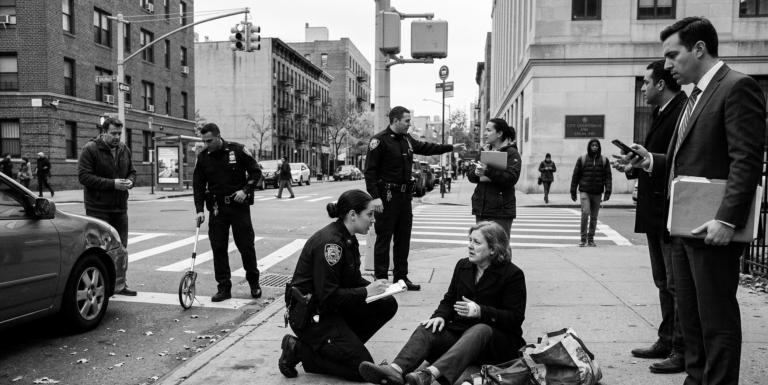
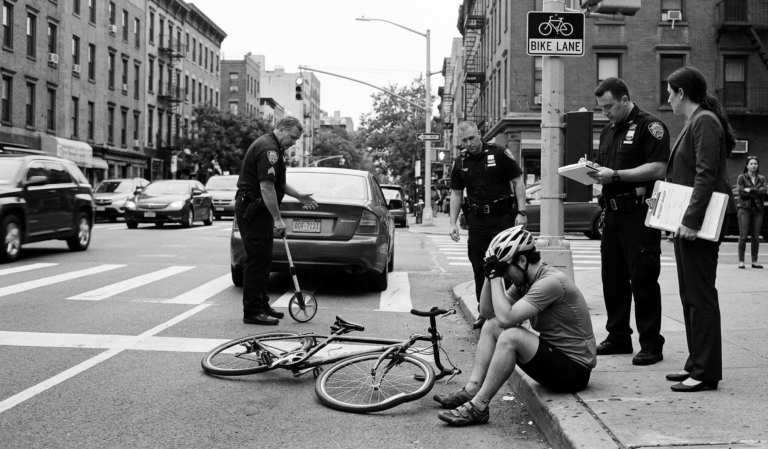
A pedestrian is struck and killed by a delivery truck driver who was texting while driving. The family of the pedestrian can pursue a wrongful death claim against both the driver and potentially the driver’s employer.
A person dies after taking a medication that had dangerous side effects the manufacturer knew about but failed to disclose. A product liability wrongful death claim could be brought against the pharmaceutical company.
In each of these situations, the common thread is that someone’s death was caused by another party’s negligence, recklessness, or wrongful conduct.
What percentage of wrongful death cases go to trial?
The vast majority of wrongful death cases settle before trial. Estimates vary, but most legal professionals put the number of cases that actually go to trial at roughly 5% or less. The remaining cases resolve through settlement negotiations or mediation.
There are several reasons for this. Trials are expensive, time-consuming, and unpredictable for both sides. Defendants and their insurance companies often prefer to settle because a jury verdict could be significantly higher than a negotiated settlement. Plaintiffs often prefer settlement because it provides certainty and avoids the emotional toll of a public trial.
That said, not every case should settle. If the defendant or insurance company refuses to offer fair compensation, going to trial may be the best option. Some of the largest wrongful death awards in California history have come from jury verdicts in cases where the defense undervalued the claim.
A good wrongful death attorney will prepare every case as if it’s going to trial, even if settlement is the expected outcome. That level of preparation strengthens your negotiating position and sends a message to the other side that you’re serious about getting a fair result.
How successful are wrongful death lawsuits?
Wrongful death lawsuits in California have a solid track record when the facts support the claim. Success depends on several factors, including the strength of the evidence, the clarity of the defendant’s liability, the quality of the legal representation, and the credibility of the damages.
Cases where liability is clear, such as a drunk driving accident or a well-documented medical error, tend to have high success rates. The defendant’s negligence is difficult to dispute in these situations, and the focus shifts to the amount of compensation rather than whether the defendant is responsible.
Cases become more challenging when liability is disputed, when the evidence is limited, or when the defendant can point to contributing factors that reduce their responsibility. California follows a pure comparative negligence rule, which means the plaintiff’s recovery can be reduced by the percentage of fault attributed to the deceased. For example, if the deceased was found to be 20% at fault, the family’s recovery would be reduced by 20%.
Even in contested cases, wrongful death claims often result in meaningful settlements. Insurance companies know that juries are sympathetic to families who have lost a loved one, and that knowledge influences how aggressively they defend these cases.
Who pays for wrongful death?
The party responsible for the death, or more commonly their insurance company, pays for a wrongful death claim.
In car accident cases, the at-fault driver’s auto insurance policy typically covers the wrongful death claim. If the at-fault driver was working at the time, the employer’s insurance may also be on the hook.
In medical malpractice cases, the healthcare provider’s malpractice insurance covers the claim. Hospitals often carry their own institutional policies as well.
In product liability cases, the manufacturer’s product liability insurance covers claims related to defective products.
In premises liability cases, such as a death caused by unsafe conditions on someone’s property, the property owner’s liability insurance is the primary source of compensation.
If the responsible party doesn’t have insurance or doesn’t have enough insurance to cover the full amount of damages, the plaintiff may be able to pursue the defendant’s personal assets. In cases involving commercial defendants, such as corporations or businesses, there is often more insurance coverage and more assets available.
In some situations, multiple parties share responsibility, and multiple insurance policies may contribute to the total recovery. An experienced wrongful death attorney will identify all potentially liable parties and all available sources of insurance coverage to maximize the family’s recovery.
What is the maximum payout for wrongful death?
California does not impose a general cap on wrongful death damages. The amount a family can recover depends on the specific facts and losses involved in their case.
Economic damages, which include loss of the deceased’s income and benefits, loss of financial support, funeral and burial expenses, and the value of household services the deceased provided, can be substantial, especially when the deceased was a high earner or had many years of working life ahead of them.
Non-economic damages cover the emotional and personal losses the family has suffered. Under California law, wrongful death plaintiffs can recover for the loss of love, companionship, comfort, care, assistance, protection, affection, society, and moral support of the deceased. The loss of the enjoyment of sexual relations for a surviving spouse is also a recognized category. These damages don’t have a fixed formula and are determined by the jury based on the evidence presented.
There is one notable exception. In medical malpractice wrongful death cases, California’s Medical Injury Compensation Reform Act, or MICRA, historically capped non-economic damages at $250,000. However, recent changes to the law under AB 35, which took effect in 2023, increased that cap. For wrongful death cases specifically, the cap started at $500,000 in 2023 and increases by $50,000 each year until it reaches $1 million in 2033. After 2033, the cap adjusts for inflation.
Outside of medical malpractice, there is no cap, and some wrongful death verdicts in California have reached into the tens of millions of dollars.
Who can file a wrongful death claim in California?
California law limits wrongful death claims to certain people, generally the surviving spouse or domestic partner, children, and, if none exist, other heirs who would inherit under state law. A San Diego wrongful death lawyer can confirm whether you are eligible to file.
How long do I have to file a wrongful death claim in California?
You generally have two years from the date of death to file a wrongful death lawsuit in California. If a government entity is involved, a six-month claim deadline may apply, so it is important to act promptly.
Do you handle wrongful death cases throughout San Diego County?
Yes. We represent grieving families across San Diego County, and the entire state of California. We handle these sensitive cases with care.
What damages can a family recover in a California wrongful death case?
Recovery can include funeral and burial costs, the financial support the person would have provided, and the loss of love, companionship, and guidance. California also allows a separate survival action for certain losses the person experienced before death.
What is the difference between a wrongful death and a survival action?
A wrongful death claim compensates surviving family members for their losses, while a survival action is brought on behalf of the deceased’s estate for losses the person suffered before passing. Both can sometimes be pursued together, and we evaluate which apply.
What kinds of accidents lead to wrongful death claims?
Common causes in San Diego include car, motorcycle, and pedestrian collisions, defective products, dangerous premises, and negligence by another person or business. If a death resulted from someone else’s negligence, a claim may be possible.
Can we still file if criminal charges are or are not filed?
Yes. A wrongful death case is civil and separate from any criminal case, so you can pursue it whether or not charges are filed or a conviction occurs. The civil burden of proof is also lower than in a criminal case.
How is fault handled if the person who died was partly at fault?
California’s pure comparative negligence rule applies, so a claim is not barred if the deceased was partly at fault. The recovery is reduced by their percentage of responsibility rather than eliminated.
How much is a wrongful death case worth in San Diego?
Value depends on the deceased’s age, earnings, the dependents left behind, and the circumstances, so each case is different. We evaluate the family’s financial and personal losses carefully before estimating a range.
How much does a wrongful death lawyer cost?
We handle wrongful death cases on contingency, so there is no upfront fee and you pay only if we recover for your family. This allows grieving families across San Diego to seek justice without financial pressure.
How long does a wrongful death case take to resolve?
Some cases settle within several months, while disputed or complex cases litigated in California Superior Court can take a year or more. We keep your family informed at every stage.
Is the consultation free and confidential?
Yes. We offer free, compassionate consultations to families throughout San Diego County and the entire California. You owe nothing unless we recover for you.