Dog Bites
Dog bite injuries can be far more serious than people expect. What might look like a minor bite can result in deep puncture wounds, nerve damage, scarring, infections, and lasting psychological trauma, especially for children.
California has some of the strictest dog bite laws in the country, and the state holds dog owners strictly liable for injuries their animals cause. That means you don't have to prove the owner was careless or knew the dog was dangerous. If the dog bit you and you were lawfully in the place where it happened, the owner is responsible. Understanding how California's dog bite laws work and what your rights are after an attack is important for getting the compensation you need to recover.

Dog Bites - FAQ
Disclaimer: The information provided in this article is for general informational and educational purposes only. It is not intended to constitute legal advice and does not create an attorney-client relationship. Statutes of limitations and legal rights can vary based on specific facts and circumstances. The information contained herein can change due to changes in the law. You should not rely on this information without consulting a qualified attorney about your particular situation.
How much does a dog bite lawyer cost?
Most dog bite attorneys work on a contingency fee basis. You pay nothing upfront, and the attorney takes a percentage of the final settlement or verdict, typically between 33% and 40%. If the case doesn’t result in a recovery, you owe nothing in attorney’s fees.
The contingency model makes it possible for dog bite victims to get legal representation regardless of their financial situation. The attorney absorbs the risk of the case and only gets paid when you do.
Some attorneys may also advance the costs of litigation, including filing fees, expert witness fees, medical record retrieval, and other expenses. These costs are typically deducted from the final recovery along with the attorney’s fee.
Free initial consultations are standard for dog bite cases. That first meeting allows you to discuss what happened, learn about the legal process, and understand the fee structure before making any commitment.
Is it worth it to sue for a dog bite?
In many cases, yes, especially when the injuries are significant. Dog bites can lead to costly medical treatment, time off work, permanent scarring, and emotional distress. California’s strict liability law makes these cases stronger than they would be in many other states because you don’t have to prove the owner was negligent, just that the dog bit you and you were legally allowed to be where the bite occurred.
Most dog bite claims are covered by the dog owner’s homeowner’s or renter’s insurance policy. These policies typically include liability coverage ranging from $100,000 to $300,000 or more, which means there’s often real money available to compensate the victim.
The financial risk of pursuing a claim is low if your attorney works on contingency. You don’t pay unless you win. The time and emotional energy involved in a claim are real costs, but for people dealing with medical bills, scarring, or trauma from an attack, the recovery can make a meaningful difference.
If you’re unsure whether your case is worth pursuing, a consultation with a personal injury attorney can help you weigh the potential recovery against the effort involved.
What is the average settlement for a dog bite?
Dog bite settlements vary widely depending on the severity of the injuries, the location of the bite, the age of the victim, and the insurance coverage available.
Severe attacks that cause nerve damage, significant scarring, broken bones, or require reconstructive surgery can result in settlements from $100,000 to $500,000 or even more.
Children’s cases often settle for more because the scarring and psychological trauma tend to have a greater long-term impact. A facial scar on a child may require multiple corrective surgeries over the years, and the emotional effects of the attack can last well into adulthood.
The available insurance coverage also plays a role. Most claims are filed against the dog owner’s homeowner’s insurance, and the policy limits set a practical ceiling on the recovery unless the owner has significant personal assets.
How much should I settle for a dog bite?
The right settlement amount depends on the full scope of your damages, and accepting an offer before you understand those damages is a mistake.
At a minimum, a fair settlement should cover all of your medical expenses, including emergency treatment, follow-up visits, medications, any surgical procedures, physical therapy, and future medical care like scar revision or reconstructive surgery. If your treatment is ongoing, settling before it’s complete means you might not account for costs that haven’t been incurred yet.
Lost wages should be included if you missed time from work because of the injury. If the bite caused permanent damage that affects your ability to work, loss of future earning capacity should be part of the equation.
Pain and suffering is another significant component. Dog bite injuries are painful, and the fear and anxiety that follow an attack can affect your daily life for months or years. Scarring and disfigurement carry their own damages, particularly when the scars are visible and permanent.
Don’t accept the first offer from the insurance company without having an attorney review it. Initial offers are almost always lower than the full value of the case. An experienced personal injury attorney can evaluate whether the number on the table reflects what your claim is actually worth.
How much money can someone get for a dog bite?
The amount depends on the severity of the injuries and the circumstances of the attack, but California dog bite victims have recovered significant compensation in past cases.
In our experience, we have seen cases involving minor injuries with full recovery may result in compensation between $15,000 and $50,000. Severe attacks, particularly those involving children, facial injuries, nerve damage, or the need for reconstructive surgery, have resulted in recoveries of $250,000 to over $1 million. Past results do not guarantee future outcomes; every case is unique and must be evaluated based on its specific facts and circumstances.
California’s strict liability statute works in the victim’s favor because it eliminates the need to prove the owner knew the dog was dangerous. As long as you were legally present at the location where the bite occurred, the owner is liable regardless of the dog’s prior behavior.
Additional factors that can increase the recovery include evidence that the owner violated a leash law, that the dog had bitten someone before, or that the owner was warned about the dog’s aggressive behavior and did nothing about it. In those situations, punitive damages may also be available.
What proof is needed for a dog bite?
Building a strong dog bite claim requires several types of evidence.
Medical records are the most important piece. Get medical attention immediately after the bite, even if the injury seems minor. Your medical records establish the nature and severity of the injury, link it directly to the dog bite, and document the treatment you needed. Follow up with all recommended appointments to avoid gaps in your treatment history.
Photographs of your injuries are critical. Take pictures as soon as possible after the bite and continue taking photos as the injury heals or doesn’t heal. If you have scarring, photograph it at regular intervals to show the progression.
Identify the dog and its owner. Get the owner’s name, address, and contact information. If you can, find out whether the dog has a history of biting or aggressive behavior. Ask if there were any witnesses and get their contact details.
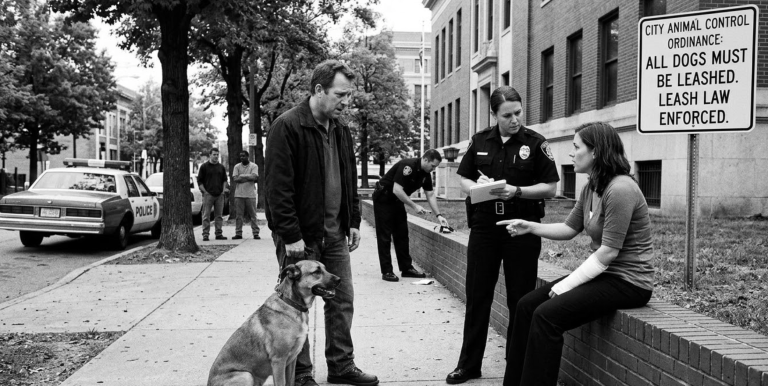
Report the bite. File a report with your local animal control agency. This creates an official record of the incident and may uncover prior complaints about the same dog.
Keep records of your expenses. Save receipts for medical bills, prescription medications, transportation to appointments, and any other costs related to the injury. If you missed work, document your lost wages.
Write down your account of what happened. Include the date, time, location, how the attack happened, whether the dog was on a leash, and everything the owner said or did before and after the bite. Do this as soon as possible while the details are fresh.
How long does a dog bite lawsuit take?
The timeline for a dog bite lawsuit depends on the complexity of the case and the willingness of the insurance company to negotiate fairly.
Simple cases with clear liability and minor to moderate injuries can settle within three to six months. The process involves gathering medical records, documenting damages, sending a demand to the insurance company, and negotiating a settlement.
More complex cases, particularly those involving serious injuries, disputed liability, or uncooperative insurance companies, can take a year or more. If the case goes to litigation, the discovery process, depositions, and court scheduling can add six months to a year on top of the pre-litigation phase.
Cases involving children often take longer because the court must approve any settlement on behalf of a minor. A judge will review the settlement terms to make sure they’re in the child’s best interest, which adds a step to the process.
Reaching maximum medical improvement before settling is important. If you settle before your treatment is complete, you risk accepting less than your case is worth because future medical costs weren’t factored in.
Who pays the compensation for a dog bite?
In most cases, the dog owner’s homeowner’s or renter’s insurance policy covers dog bite claims. These policies include personal liability coverage that applies to injuries caused by the policyholder’s dog, even if the bite occurs away from the home.
Standard homeowner’s insurance policies typically provide between $100,000 and $300,000 in liability coverage, though some policies offer higher limits. If the damages exceed the policy limits, the dog owner may be personally responsible for the remaining amount.
Some insurance policies exclude certain dog breeds or exclude coverage for dogs with a history of biting. If the owner’s policy doesn’t cover the claim, the owner is still legally liable under California’s strict liability statute, but collecting compensation may require pursuing the owner’s personal assets.
If the bite happened on commercial property, such as at a store or a rental property, the business owner’s or landlord’s commercial liability insurance may also be a source of compensation. In cases where a landlord knew a tenant’s dog was dangerous and failed to act, the landlord may share liability.
In rare cases where the owner has no insurance and no significant assets, recovering compensation can be difficult. An attorney can assess the available sources of recovery early in the process so you have realistic expectations about what’s collectible.
How to win a dog bite lawsuit?
Winning a dog bite lawsuit in California is more straightforward than in many other states because of the strict liability standard. Beyond establishing liability, winning the best possible outcome requires strong evidence of your damages. That means thorough medical documentation, clear photographs of your injuries, records of your financial losses, and testimony about the impact the bite has had on your daily life and emotional wellbeing.
There are a few defenses the owner might raise. If you were trespassing at the time of the bite, strict liability may not apply. If the owner can show that you provoked the dog, that could reduce or eliminate their liability. If the bite occurred while you were working with the dog in a professional capacity, such as a veterinarian or dog groomer, different rules may apply.
Countering these defenses requires preparation. Witness testimony, surveillance footage, and your own detailed account of what happened can all help establish that you did nothing to provoke the attack and were lawfully present when it occurred.
The key to winning is preparation, documentation, and working with an attorney who understands how California’s dog bite laws work.
How long does it take to get money from a dog bite?
The time it takes to receive compensation after a dog bite depends on how the case is resolved.
If the case settles before litigation, you can typically expect to receive payment within a few weeks to a couple of months after the settlement agreement is signed. The insurance company issues a check, your attorney deducts fees and costs, and the remaining balance is distributed to you.
If the case goes to litigation and settles during the lawsuit, the timeline extends. If the case goes to trial and you win a verdict, the payment timeline is less predictable. The defendant may file post-trial motions or an appeal, which can delay payment. In most cases, however, the defendant’s insurance company pays the verdict amount within a reasonable time after all legal proceedings are resolved.
The overall timeline from the date of the bite to receiving money can range from a few months for simple cases to a year or more for complex ones. Patience is important, but so is having an attorney who keeps the process moving and doesn’t let the insurance company drag things out unnecessarily.
Is California a strict liability state for dog bites?
Yes. Under California Civil Code section 3342, a dog owner is liable for bite injuries even if the dog never bit anyone before and the owner had no reason to think it was dangerous. This is stronger protection for victims than the one-bite rule used in some states.
How long do I have to file a dog bite claim in California?
You generally have two years from the date of the bite to file a personal injury lawsuit in California. A San Diego dog bite lawyer can confirm your deadline and preserve evidence before it disappears.
Do you handle dog bite cases throughout San Diego County?
Yes. We represent dog bite victims across the county, including San Diego, Chula Vista, Carlsbad, Oceanside, and Escondido. We handle cases involving both private owners and rental properties.
Who pays for a dog bite injury in California?
Compensation usually comes from the dog owner’s homeowner’s or renter’s insurance policy, which often covers dog bite liability. Where coverage is limited, the owner may be personally responsible.
Does the dog owner have to be negligent for me to recover?
No. Because California uses strict liability for bites, you do not have to prove the owner was careless, only that you were lawfully present and were bitten. Negligence may still matter for non-bite injuries, like being knocked down.
What if the dog bite happened on the owner's property in San Diego?
You can still recover as long as you were lawfully on the property, such as an invited guest, a worker, or in a public area. Strict liability applies regardless of where the bite occurred.
Can I recover for scarring or emotional trauma from a dog bite?
Yes. Compensation can include medical care, scar revision, lost income, and emotional distress, which is significant in many dog bite cases, especially for children. We document these harms fully.
What should I do right after a dog bite in San Diego?
Get medical care, report the bite to San Diego County Animal Services, identify the owner and any witnesses, and photograph your injuries. Prompt reporting and documentation strengthen your claim.