Workplace Injury Retaliation Cases
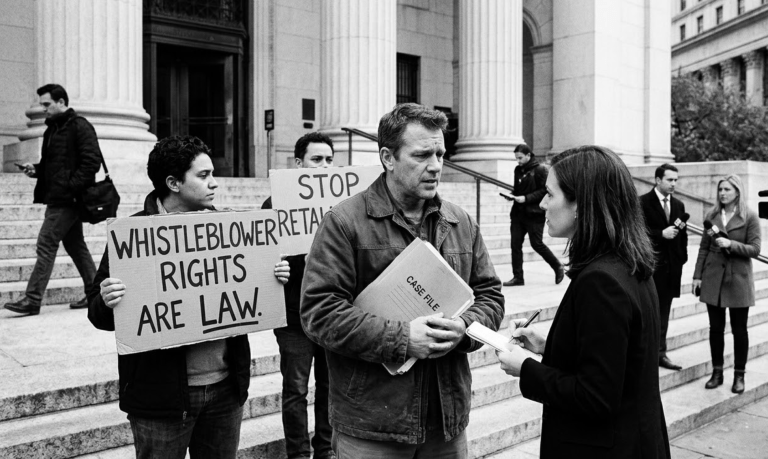
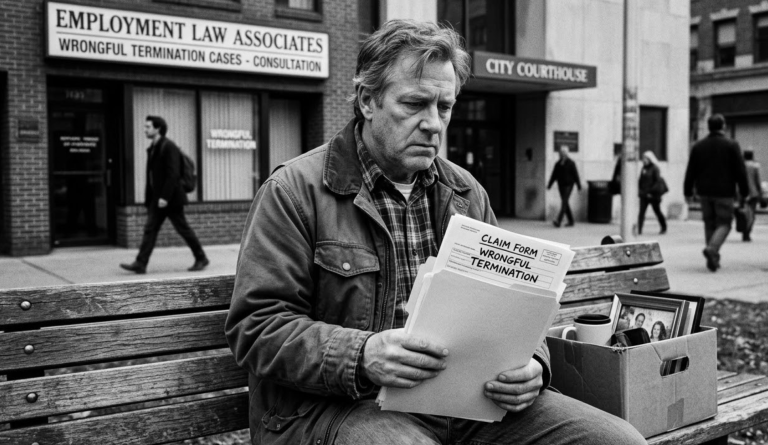
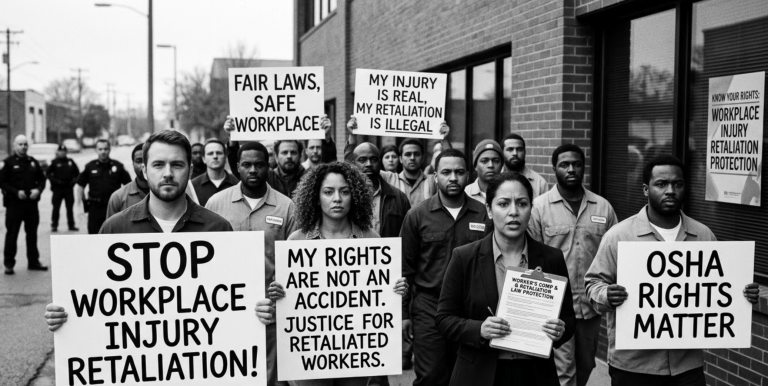
Getting hurt on the job is bad enough. But when your employer punishes you for filing a workers' compensation claim or reporting an unsafe condition, that's retaliation, and it's illegal.
California law protects employees who report workplace injuries, and employers who fire, demote, or otherwise punish workers for exercising those rights can face serious legal consequences. Unfortunately, many employers try to get away with it anyway, hoping workers won't know their rights or won't fight back.

Workplace Injury Retaliation Cases - FAQ
Disclaimer: The information provided in this article is for general informational and educational purposes only. It is not intended to constitute legal advice and does not create an attorney-client relationship. Statutes of limitations and legal rights can vary based on specific facts and circumstances. The information contained herein can change due to changes in the law. You should not rely on this information without consulting a qualified attorney about your particular situation.
How to prove retaliation at work?
Proving retaliation in the workplace injury context follows a similar framework to other retaliation claims. You need to establish three things: you engaged in a protected activity, your employer took an adverse action against you, and there’s a connection between the two.
In the workplace injury setting, the protected activity is usually filing a workers’ compensation claim, reporting an injury, or raising concerns about unsafe working conditions. These are all actions that California law specifically protects.
The adverse action can take many forms. It might be termination, but it can also be a demotion, a pay cut, reduced hours, a transfer to a less desirable position, disciplinary write-ups, or being passed over for opportunities you would have received before the injury.
The connection between the protected activity and the adverse action is often demonstrated through timing. If you filed a workers’ comp claim on Monday and were fired on Friday, that timeline raises a strong inference of retaliation. Other evidence that helps includes changes in how your supervisor treats you after the injury, inconsistent explanations from the employer about why they took action, and disparate treatment compared to employees who didn’t file claims.
Documentation is critical. Save every email, text, and written communication. Keep a journal with dates, times, and descriptions of what happened. If coworkers witnessed relevant events, note their names. The earlier you start building a paper trail, the stronger your case will be.
What counts as retaliation in the workplace?
Retaliation is any adverse action an employer takes against an employee because the employee exercised a legal right. In the workplace injury context, retaliation occurs when an employer punishes you for filing a workers’ compensation claim, reporting an injury, requesting medical treatment, or complaining about unsafe conditions.
Retaliation doesn’t have to be dramatic. While firing is the most obvious example, retaliation also includes being demoted, having your hours cut, being reassigned to undesirable tasks, receiving unjustified negative performance reviews, being excluded from meetings or training, being denied a raise or promotion, having your schedule changed to create hardship, and being subjected to increased scrutiny or micromanagement after the injury.
The legal standard is whether the employer’s actions would discourage a reasonable employee from exercising their rights. Even subtle changes in how you’re treated can qualify if they create a pattern that clearly connects to your injury report or workers’ comp claim.
California Labor Code Section 132a specifically prohibits employers from discriminating against employees who file or intend to file a workers’ compensation claim. Violations can result in reinstatement, back pay, and additional penalties.
Is it worth suing your employer for retaliation?
In many cases, yes. Workplace injury retaliation claims can result in meaningful compensation, and California law provides strong tools for holding employers accountable.
If you were fired or demoted for filing a workers’ comp claim, you may be entitled to lost wages, emotional distress damages, and in some cases, punitive damages. Beyond financial recovery, filing a retaliation claim sends a clear message to your employer. It tells them that they can’t intimidate workers into staying quiet about injuries, and it may protect your coworkers from facing the same treatment.
The financial risk is usually low if your attorney works on contingency. You won’t owe attorney’s fees unless you recover compensation. The main investment is your time and emotional energy, but many employees find that the outcome is well worth it.
How much can I sue for retaliation at work?
The amount you can recover in a workplace injury retaliation case depends on your specific damages, but several categories of compensation may be available.
Lost wages and benefits are typically the starting point. If you were fired, demoted, or had your hours reduced because of retaliation, you can recover the income and benefits you lost as a result. This includes both back pay for what you’ve already lost and front pay for future lost earnings if you haven’t been able to find comparable employment.
Emotional distress damages compensate you for the psychological impact of the retaliation. Anxiety, depression, sleeplessness, and damage to your personal relationships are all recognized forms of emotional harm that California courts take seriously.
If the employer’s conduct was especially malicious, oppressive, or fraudulent, punitive damages may be awarded on top of compensatory damages. Punitive damages are designed to punish the employer and deter similar behavior in the future.
Every case is different, and the best way to get a realistic estimate is to consult with an experienced attorney who handles these claims.
How hard is it to win a retaliation case?
Retaliation cases can be challenging, but they are winnable, especially in California where the laws are favorable to employees.
The main difficulty is that employers rarely admit to retaliating. Instead, they offer alternative explanations for the adverse action, such as poor performance, policy violations, or business restructuring. Your attorney’s job is to show that those explanations are pretextual, meaning they’re excuses designed to hide the real motive.
Several factors can make a retaliation case stronger or weaker. Strong timing between the protected activity and the adverse action helps your case significantly. If you were fired two weeks after filing a workers’ comp claim and had no performance issues before that, the inference of retaliation is hard for the employer to overcome. On the other hand, if months passed between your claim and the adverse action, the employer has more room to argue that the two events aren’t connected.
Consistency matters too. If the employer’s explanation for the adverse action has changed over time or doesn’t line up with the documented record, that undercuts their credibility. If other employees who didn’t file workers’ comp claims were treated more favorably under similar circumstances, that’s also powerful evidence.
What makes a strong retaliation case?
A strong workplace injury retaliation case typically has several key elements working together.
A clear protected activity that’s well documented. The more evidence you have that you filed a workers’ comp claim, reported an injury, or complained about safety conditions, the better. Written reports, emails to HR, medical records, and claim filing confirmations all help establish this.
Close timing between the protected activity and the adverse action. Courts pay close attention to the timeline. If you were disciplined, demoted, or fired within days or weeks of your protected activity, that proximity is compelling evidence.
A noticeable change in treatment. If your employer’s attitude toward you shifted after your injury or claim, that pattern tells a story. Positive performance reviews turning negative, being excluded from projects, losing responsibilities, or suddenly facing write-ups for minor issues all point to retaliation.
Inconsistencies in the employer’s story. If your employer has given different reasons for the adverse action at different times, or if the stated reason doesn’t match the facts, that weakens their defense considerably.
Disparate treatment. If you were treated differently than coworkers who were in similar situations but didn’t file a workers’ comp claim or report an injury, that comparison can be very persuasive to a judge or jury.
Evidence of a retaliatory culture. If other employees at the company have faced similar treatment after reporting injuries, that pattern strengthens your individual case and may support a broader claim.
What are two examples of retaliatory behavior?
Here are two common examples of retaliation in the workplace injury context.
Example one. An employee injures their back while lifting heavy boxes at a warehouse. They report the injury and file a workers’ compensation claim. Within two weeks, their supervisor starts giving them negative performance reviews even though their work quality hasn’t changed. A month later, they’re terminated for “poor performance.” Before the injury, this employee had received positive reviews for three consecutive years. The sudden shift in evaluations, combined with the close timing to the workers’ comp claim, strongly suggests retaliation.
Example two. A construction worker reports unsafe conditions on a job site to their employer and to Cal/OSHA. After the report, the employer begins assigning the worker to undesirable tasks, cuts their overtime hours, and excludes them from team meetings. Other workers who didn’t report safety concerns continue to receive normal assignments and overtime. The worker eventually feels pressured to quit. This pattern of adverse actions following a safety complaint is a textbook case of retaliation, and the worker may also have a constructive discharge claim.
Both examples illustrate how retaliation often unfolds gradually rather than in a single dramatic act. Recognizing the pattern and documenting it early gives you the strongest foundation for a legal claim.
What is silent retaliation?
Silent retaliation refers to subtle, indirect forms of punishment that an employer uses against an employee for exercising their rights. Unlike obvious retaliation such as termination or demotion, silent retaliation is harder to spot because it often looks like normal workplace decisions on the surface.
Examples of silent retaliation include being slowly excluded from important meetings, projects, or communications without any formal explanation. Receiving fewer shifts or less desirable assignments. Being ignored by supervisors who previously engaged with you regularly. Having your responsibilities quietly reassigned to other employees. Being left out of social events or team-building activities. Getting passed over for training or development opportunities.
The employer’s goal with silent retaliation is to make the employee feel isolated and unwelcome without creating an obvious paper trail. Many employees who experience silent retaliation describe feeling like they’re being pushed out without anyone saying anything directly.
Silent retaliation is still illegal under California law. If the changes in your work environment began after you filed a workers’ comp claim or reported an injury, the pattern may support a retaliation claim even if no single action on its own seems severe. The key is to document every change, no matter how small it seems at the time, because the cumulative picture is what tells the story.
How much does a lawyer cost for workplace injury retaliation cases?
The cost of a workplace injury retaliation attorney follows the same patterns as other employment law cases. Most attorneys who represent employees in these matters work on a contingency fee basis, which means you don’t pay anything upfront. The attorney takes a percentage of the recovery, typically between 40 to 45% as these types of cases tend to be heavily litigated and require a lot of work on behalf of the lawyers.
If the case doesn’t result in a recovery, you owe nothing in attorney’s fees. This arrangement exists because the legal system recognizes that most employees can’t afford to pay a lawyer by the hour while they’re also dealing with the financial fallout of losing their job or having their hours cut.
In some workplace injury retaliation cases, the court may order the employer to pay the employee’s attorney’s fees and costs. Under Labor Code Section 132a claims, reimbursement of reasonable expenses including attorney’s fees is part of the available relief.
Is it illegal to punish me for filing a workers' comp claim in California?
Yes. California Labor Code section 132a prohibits employers from firing or discriminating against employees for filing or intending to file a workers’ compensation claim. This is separate from the comp claim itself.
What protects me if I report an unsafe condition at work?
California Labor Code section 6310 protects employees who report safety hazards or health violations from retaliation. Punishing you for raising a safety concern can be its own claim.
How long do I have to file a workplace retaliation claim in California?
Deadlines depend on the theory, and some retaliation claims must be filed within a year while FEHA-related claims follow the three-year CRD window. A San Diego employment lawyer can identify the right deadline.
Do you handle workplace retaliation cases across San Diego County?
Yes. We represent employees throughout San Diego, Chula Vista, and North County cities like Carlsbad and Escondido who were punished after a comp claim or safety report. Consultations are confidential.
What if I was demoted or had my hours cut instead of fired?
Retaliation is not limited to firing. Demotions, pay or hour cuts, undesirable reassignments, and discipline that follow a protected report can all qualify as adverse actions.
What damages can I recover for workplace retaliation in California?
Recovery can include lost wages and benefits, emotional distress, and in serious cases punitive damages, plus attorney’s fees. We pursue the full value of your claim.