Race Discrimination
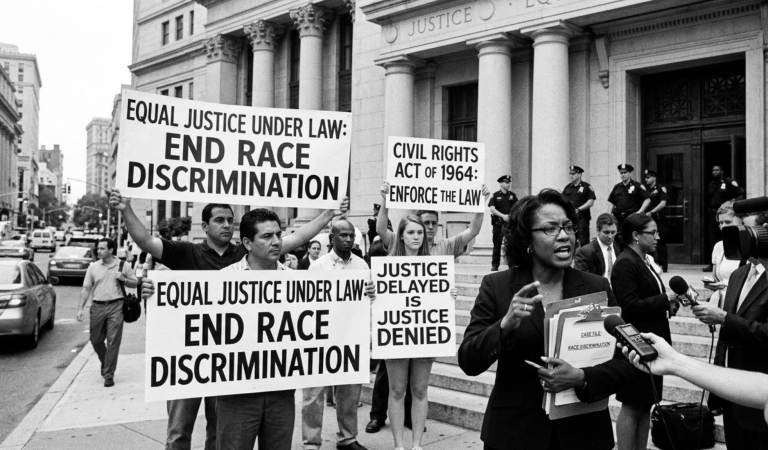
Race discrimination in the workplace is not a thing of the past. Employees across San Diego still face unfair treatment because of their race, ethnicity, skin color, or national origin.
It can show up in hiring decisions, promotions, pay gaps, discipline, termination, or a work environment that tolerates racist jokes and comments. Both federal and California law make it illegal for employers to treat workers differently because of race, and employees who experience this kind of treatment have every right to fight back.

Race Discrimination - FAQ
Disclaimer: The information provided in this article is for general informational and educational purposes only. It is not intended to constitute legal advice and does not create an attorney-client relationship. Statutes of limitations and legal rights can vary based on specific facts and circumstances. The information contained herein can change due to changes in the law. You should not rely on this information without consulting a qualified attorney about your particular situation.
Can I sue for racial discrimination?
Yes. If your employer discriminated against you because of your race, you have the right to file a lawsuit.
At the federal level, Title VII of the Civil Rights Act of 1964 prohibits race discrimination in the workplace for employers with 15 or more employees. In California, the Fair Employment and Housing Act, or FEHA, provides even broader protection and applies to employers with five or more employees.
Before you can file a lawsuit in most cases, you need to file an administrative complaint first. For federal claims, that means filing with the Equal Employment Opportunity Commission, or EEOC. For state claims, you file with California’s Civil Rights Department, or CRD. Once you receive a right-to-sue notice, you can take your case to court.
There are strict deadlines for filing these complaints. Under federal law, you generally have 300 days from the date of the discriminatory act to file with the EEOC. Under California law, you have three years to file with the CRD. Missing these deadlines can mean losing your right to sue entirely, so it’s important to talk to an attorney as soon as possible.
How much is a race discrimination case worth?
Every case is different, and there’s no fixed dollar amount that applies across the board. The value of a race discrimination case depends on the specific facts, the type of discrimination involved, how much financial harm you suffered, and the strength of your evidence.
Common categories of damages in race discrimination cases include lost wages and benefits if you were fired, demoted, or passed over for a promotion. Emotional distress damages compensate you for the psychological impact of the discrimination, things like anxiety, humiliation, depression, and loss of sleep. If the employer’s behavior was especially malicious or reckless, punitive damages may also be awarded to punish the employer and discourage similar conduct.
California law does not impose these caps, which is one of the reasons employees in San Diego often pursue their claims under state law.
Can you be charged for racial discrimination?
In most workplace situations, racial discrimination is handled through civil law rather than criminal law. That means the person who discriminated against you would face a lawsuit and potential financial liability, not criminal charges.
However, there are situations where racially motivated conduct crosses into criminal territory. If someone threatens, assaults, or intimidates you because of your race, that can be prosecuted as a hate crime under both federal and California law. California Penal Code Section 422.6 makes it a crime to use force, threats, or intimidation to interfere with someone’s civil rights based on race. More serious offenses can be charged as felonies.
In the employment context, the more common route is to file a civil complaint with the EEOC or CRD and, if necessary, pursue a lawsuit. Criminal charges would typically only come into play if the conduct involved physical violence or credible threats of harm.
Can you get compensation for racial discrimination?
Absolutely. Employees who prove racial discrimination can recover several types of compensation.
Back pay covers wages and benefits you lost because of the discrimination, whether that’s from being fired, having your hours cut, or being denied a raise or promotion you earned. Front pay may be awarded if reinstatement to your former position isn’t practical, compensating you for future lost earnings.
Emotional distress damages address the personal toll the discrimination took on you. Courts recognize that discrimination can cause real psychological harm, and juries in California have awarded significant amounts for emotional suffering.
Punitive damages may be available when the employer acted with malice, oppression, or fraud. These damages go beyond compensating you for your losses and are designed to punish the employer and deter future misconduct.
On top of all that, California law allows the court to order the employer to pay your attorney’s fees and costs. This is significant because it means pursuing a case doesn’t have to be financially out of reach.
Is it worth it to sue for discrimination?
For many people, yes. But it’s a personal decision that depends on your specific circumstances.
On the financial side, discrimination cases in California can result in meaningful recoveries. Between lost wages, emotional distress damages, punitive damages, and attorney’s fees, a strong case can result in a settlement or verdict that makes a real difference in your life.
Beyond money, filing a lawsuit can hold your employer accountable and create change. Many employers only fix discriminatory practices when they’re forced to. Your case could protect other employees from going through the same thing.
The main costs to consider are time and emotional energy. Litigation is not fast, and it can be stressful. But if you’re working with an attorney on contingency, the financial risk is minimal because you won’t owe legal fees unless you recover something.
How do I prove racial discrimination?
Proving racial discrimination usually requires a combination of direct and circumstantial evidence. Direct evidence is something like a racist comment from a supervisor during a meeting or an email that references race as a factor in a decision. This type of evidence is rare, but when it exists, it can be very powerful.
More often, employees rely on circumstantial evidence. That means showing a pattern that points to discrimination even without a smoking gun. Courts look at things like whether similarly situated employees of a different race were treated more favorably, whether the employer’s explanation for their actions makes sense, and whether there’s a history of discriminatory behavior at the company.
Here are some types of evidence that can help your case: written communications including emails, texts, and messages that reference race or show disparate treatment. Performance reviews that changed after you made a complaint or that don’t match your actual work. Testimony from coworkers who witnessed the discrimination or experienced it themselves. Statistics showing patterns of racial disparity in hiring, promotions, or discipline at the company. Your own notes documenting incidents with dates, times, people involved, and what was said or done.
Building a race discrimination case takes careful work, and having an attorney guide you through the process makes a significant difference. Start documenting early and preserve everything you can.
Can you go to court for racism?
Yes. If you’ve experienced racial discrimination at work, you have the right to take your case to court.
As mentioned above, the typical process starts with filing an administrative complaint with the EEOC or California’s Civil Rights Department. Once you’ve gone through that process and received a right-to-sue notice, you can file a lawsuit in state or federal court.
In California, you can also file a complaint directly with the CRD and request an immediate right-to-sue notice, which allows you to skip the investigation phase and go straight to court. This option gives you more control over the timeline of your case.
Once in court, your case may be resolved through settlement negotiations, mediation, or a trial. Many discrimination cases settle before reaching a jury, but if the employer refuses to offer a fair resolution, going to trial is always an option.
What are the 7 grounds of discrimination?
Under California’s FEHA, there are far more than seven protected categories, but the most commonly referenced grounds for discrimination include:
Race. Discrimination based on race, color, or ethnic background.
Sex and gender. This includes discrimination based on sex, gender identity, and gender expression.
Age. California law protects employees aged 40 and older from age-based discrimination.
Disability. Both physical and mental disabilities are covered, and employers must provide reasonable accommodations.
Religion. Employers cannot discriminate based on religious beliefs or practices and must reasonably accommodate religious observances.
National origin. This covers discrimination based on where someone is from, their ancestry, or their accent.
Sexual orientation. California law explicitly protects employees from discrimination based on sexual orientation.
FEHA actually covers even more categories, including marital status, military or veteran status, medical condition, and genetic information. The point is that California offers some of the broadest anti-discrimination protections in the country.
What to ask for in a discrimination settlement?
When negotiating a discrimination settlement, there are several categories of compensation and terms you should consider.
Lost wages. This includes back pay for income you already lost and front pay for future earnings if you’re unable to return to your position. Don’t forget to account for lost benefits like health insurance, retirement contributions, and bonuses.
Emotional distress damages. Discrimination takes a personal toll, and your settlement should reflect that. The amount depends on the severity of the impact and how well it’s documented, whether through medical records, therapy notes, or your own testimony about how the experience affected your life.
Punitive damages. If the employer’s conduct was willful or especially harmful, you may have grounds to demand punitive damages as part of a settlement or push for them at trial.
Attorney’s fees and costs. California law allows you to recover attorney’s fees in discrimination cases, so your settlement should address this.
Non-monetary terms. Depending on your situation, you might negotiate for things like a neutral reference letter, an agreement not to contest unemployment benefits, removal of negative information from your personnel file, or a confidentiality clause.
How much does a race discrimination lawyer cost?
The cost structure for a race discrimination lawyer is similar to other employment discrimination cases. Most attorneys who handle these claims on the employee side work on a contingency fee basis. That means you don’t pay anything upfront, and the lawyer takes a percentage of your recovery, typically between 40 – 45%, only if you win or settle.
Some attorneys charge hourly rates, which in the San Diego area can range from $300 to $600 or more per hour depending on the lawyer’s experience. Flat fees are occasionally used for limited tasks like writing a demand letter.
What laws protect against race discrimination in California?
California’s FEHA prohibits discrimination based on race, color, ancestry, and national origin, and applies to employers with five or more employees. It is often broader than federal protections.
Does California protect against discrimination based on hairstyle?
Yes. California’s CROWN Act prohibits discrimination based on natural and protective hairstyles associated with race, such as braids, locs, and twists. This is part of the state’s broad race-discrimination protections.
How long do I have to file a race discrimination claim in California?
You generally have three years to file with the California Civil Rights Department, then one year to sue after a right-to-sue notice. A San Diego employment lawyer can confirm your deadline.
Do you handle race discrimination cases across San Diego County?
Yes. We represent employees throughout San Diego, Chula Vista, and North County cities such as Carlsbad, Oceanside, and Escondido. All consultations are confidential.
Do I have to prove intentional racism to win?
Not always. California recognizes both intentional discrimination and policies that have an unjustified disparate impact on a racial group. Patterns, comparators, and timing can establish a claim without a direct admission.
What damages can I recover for race discrimination in California?
Recovery can include lost wages, emotional distress, and in serious cases punitive damages, plus attorney’s fees under FEHA, which California does not cap. We pursue the full value of your claim.