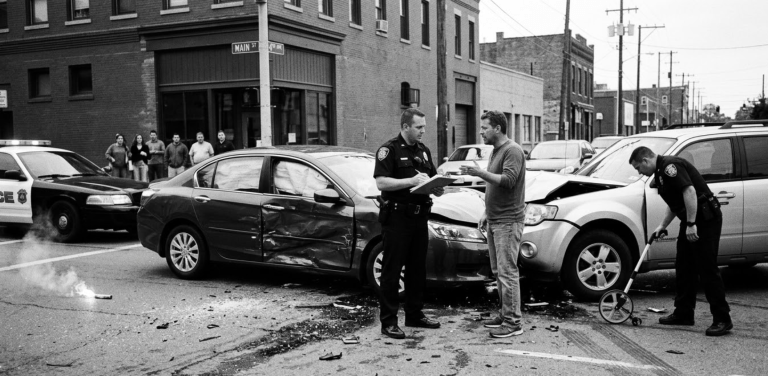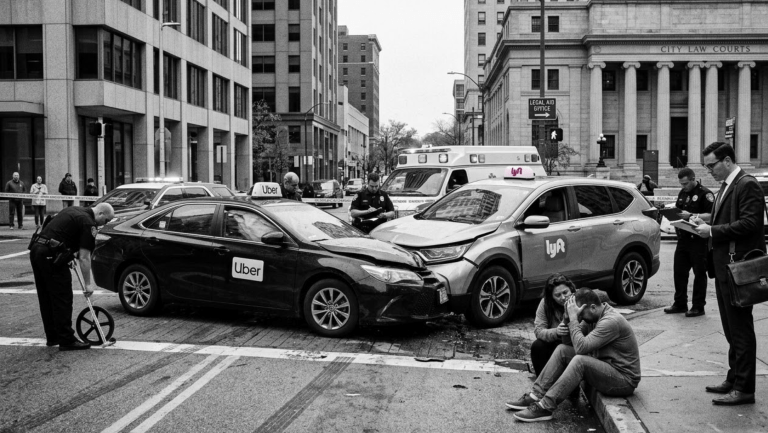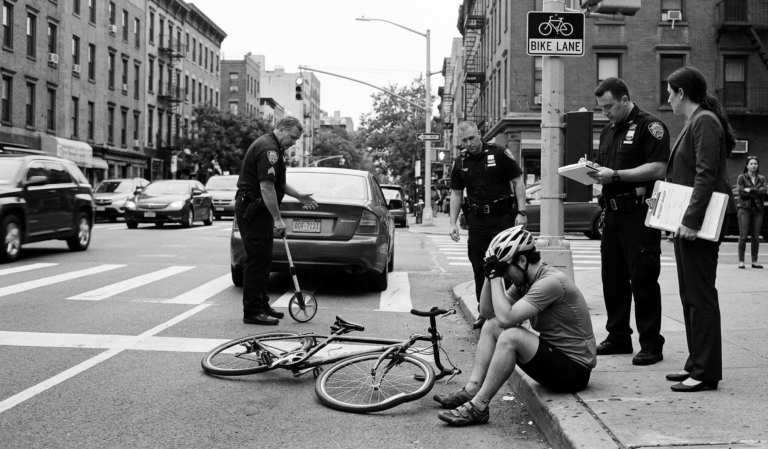
Uber/Lyft Collisions
Rideshare accidents involving Uber and Lyft have become increasingly common as more people rely on these services for daily transportation. When a collision happens during a rideshare trip, the legal situation gets complicated fast. Multiple insurance policies may apply, liability can be shared among several parties, and the rideshare companies have their own processes for handling claims.
Whether you were a passenger, another driver, a pedestrian, or a cyclist injured in a rideshare accident, California law gives you the right to pursue compensation. But these cases work differently than standard car accident claims, and understanding the insurance structure and legal framework is important before you take any steps.

Uber/Lyft Collisions - FAQ
Disclaimer: The information provided in this article is for general informational and educational purposes only. It is not intended to constitute legal advice and does not create an attorney-client relationship. Statutes of limitations and legal rights can vary based on specific facts and circumstances. The information contained herein can change due to changes in the law. You should not rely on this information without consulting a qualified attorney about your particular situation.
Can you sue Lyft for a car accident?
You can, but the specifics depend on the circumstances of the accident and who was at fault.
Lyft classifies its drivers as independent contractors, not employees. That distinction matters because it limits Lyft’s direct liability in many situations. However, Lyft is required to carry commercial insurance that covers accidents involving its drivers while they’re logged into the app.
If the Lyft driver was at fault for the accident, you would typically file a claim against the driver and against Lyft’s insurance policy. If the driver was actively carrying a passenger or was en route to pick one up, Lyft’s commercial policy provides up to $1 million in liability coverage. If the driver was logged into the app but hadn’t yet accepted a ride, the coverage is lower, with liability limits of $50,000 per person for bodily injury, $100,000 per accident, and $25,000 for property damage.
If another driver caused the accident while you were riding in a Lyft, you would file a claim against that driver’s insurance. If the at-fault driver is uninsured or underinsured, Lyft’s uninsured/underinsured motorist coverage may apply.
In certain situations, you may be able to sue Lyft directly, particularly if there’s evidence that Lyft failed to properly screen a driver, allowed a driver with a dangerous history to remain on the platform, or was otherwise negligent in its operations. These claims are more complex and typically require a deeper investigation.
Can I sue the Uber driver and Uber after the accident?
Yes, you can pursue claims against both the Uber driver and Uber’s insurance, depending on the facts.
If the Uber driver caused the accident, the driver is personally liable for the collision. However, because individual drivers often don’t carry enough personal insurance to cover serious injuries, Uber’s commercial insurance policy becomes the primary source of compensation.
When the driver is engaged in a ride, meaning they’ve accepted a trip and are either heading to pick up the passenger or actively transporting them, Uber provides $1 million in third-party liability coverage. This applies to passengers, other drivers, pedestrians, and cyclists injured in the crash.
Suing Uber as a company is more difficult because of the independent contractor classification. Uber argues that its drivers are not employees and that Uber is a technology platform, not a transportation company. This argument has been challenged in various courts, and the legal landscape continues to evolve. In practice, most Uber accident claims are resolved through Uber’s insurance coverage rather than through a direct lawsuit against the company itself. But if there are facts suggesting Uber was independently negligent, such as knowingly allowing an unsafe driver on the platform, a direct claim may be viable.
How much money is a lawsuit for an Uber accident?
The value of an Uber accident lawsuit depends on the same factors that determine the value of any personal injury case: the severity of the injuries, the cost of medical treatment, lost income, the impact on your quality of life, and the strength of the evidence establishing fault.
Minor injuries like soft tissue damage or whiplash may result in settlements in the range of anywhere from $10,000 to $50,000. On the other end of the spectrum, severe or catastrophic injuries, such as traumatic brain injuries, spinal cord damage, or permanent disability, can result in settlements or verdicts well into the millions.
Because Uber carries a $1 million commercial liability policy for accidents during active rides, there is significant insurance coverage available in most cases. For accidents that occur while the driver is logged in but hasn’t accepted a ride, the lower coverage limits may cap the recovery unless other sources of compensation are available.
Other factors that affect the amount include whether the injured person was partially at fault, how well the injuries are documented, and whether the case goes to trial or settles. An experienced personal injury attorney can evaluate these factors and provide a realistic range for your specific situation.
How much is the Lyft accident settlement?
Lyft accident settlements vary widely depending on the injuries and the circumstances of the crash. There’s no standard payout, but the range generally mirrors what you’d see in other car accident cases with similar injuries.
For minor injuries, settlements might fall in the range of $10,000 to $50,000. Cases involving broken bones, herniated discs, or injuries requiring surgery often settle between $50,000 and $300,000. Catastrophic injuries or wrongful death cases can settle for $500,000 to over $1 million.
The insurance coverage available plays a significant role. If the Lyft driver was actively on a trip, the $1 million policy applies. If the driver was logged in but waiting for a ride request, the lower coverage limits apply, which can limit the settlement amount unless additional insurance policies or at-fault parties are involved.
Other variables include the clarity of liability, the total medical expenses, the length of recovery, whether the injured person missed work, and the long-term impact of the injuries. Cases where liability is clear and the injuries are well-documented tend to settle for more and settle faster.
Is it better to sue or settle?
In most Uber and Lyft accident cases, settling is the faster and less stressful path to compensation. The majority of these cases resolve through settlement negotiations without ever going to court.
Settling has several advantages. It’s quicker, less expensive, more predictable, and private. You avoid the uncertainty of a jury trial and the emotional toll of a lengthy court process. Settlement negotiations can begin as soon as you’ve reached maximum medical improvement, which is the point at which your doctor determines that your condition has stabilized.
However, settling isn’t always the right choice. If the insurance company offers a lowball amount that doesn’t reflect the true value of your injuries, going to trial may be necessary to get fair compensation. Some insurance companies make low initial offers hoping the injured person will accept out of desperation or fatigue. A good attorney knows the difference between a fair offer and one that undervalues your case.
The best approach is to prepare for trial while remaining open to settlement. That way you’re negotiating from a position of strength, and the insurance company knows you’re willing to go the distance if they don’t offer a reasonable number.
What evidence is needed to sue Lyft?
Building a strong case against Lyft or a Lyft driver requires solid evidence. Here’s what you should focus on gathering.
The accident report. Call the police after any rideshare accident and make sure a report is filed. The police report documents the scene, the parties involved, and often includes the officer’s initial assessment of fault.
Your Lyft ride history. Your Lyft app records your trip details, including the driver’s name, the route, pickup and drop-off times, and the trip receipt. Screenshot this information as soon as possible.
Photos and video. Take pictures of the accident scene, vehicle damage, road conditions, traffic signals, skid marks, and your injuries. If there are surveillance cameras nearby, note their locations so your attorney can request the footage later.
Medical records. Get medical attention immediately after the accident, even if you feel fine. Some injuries don’t present symptoms right away. Your medical records create a direct link between the accident and your injuries, which is essential for your claim.
Witness information. If anyone saw the accident, get their name and contact information. Independent witness testimony can be very valuable, especially when the other side disputes what happened.
Communications. Don’t give a recorded statement to Lyft’s insurance company without speaking to an attorney first. Save any communications you receive from Lyft, the driver, or the insurance company.
Your own notes. Write down everything you remember about the accident as soon as you can. Details fade quickly, and your written account can help your attorney build the timeline of events.
Does Uber pay you if you get into an accident?
Uber doesn’t pay you directly. Compensation comes through insurance claims, and the specific policy that applies depends on what the driver was doing at the time of the accident.
If the driver had accepted a ride or was transporting a passenger, Uber’s commercial insurance provides up to $1 million in liability coverage. This policy also includes uninsured and underinsured motorist coverage, which protects you if the at-fault party doesn’t have adequate insurance.
If the driver was logged into the app but hadn’t accepted a ride, Uber provides reduced coverage: $50,000 per person for bodily injury, $100,000 per accident, and $25,000 for property damage. These limits are significantly lower and may not be enough to cover serious injuries.
If the driver was not logged into the app at all, Uber’s insurance doesn’t apply, and you would file a claim against the driver’s personal auto insurance.
The claims process typically involves filing with the appropriate insurance company, providing documentation of your injuries and losses, and negotiating a settlement. Uber’s insurance provider handles claims on behalf of the company, and the process can be slower and more adversarial than a standard auto insurance claim. Having an attorney manage this process can make a meaningful difference in the outcome.
What is the 5 minute rule for Uber?
The 5-minute rule refers to Uber’s cancellation policy. When a driver arrives at the pickup location, the passenger has approximately five minutes to get to the car. If the passenger doesn’t show up within that window, the driver can cancel the ride and the passenger may be charged a cancellation fee.
In the context of accidents and legal claims, the 5-minute rule is relevant because it affects which insurance policy applies. If a driver is waiting at the pickup location and an accident occurs during that waiting period, Uber’s full $1 million commercial coverage is in effect because the driver has accepted a trip. This is the same level of coverage that applies during the actual ride.
If the driver cancels the ride after the 5-minute window and then gets into an accident, the coverage drops to the lower limits that apply when the driver is logged in but hasn’t accepted a trip, or it may not apply at all depending on the timing.
Understanding where the driver was in the trip cycle at the time of the accident is critical to determining which insurance policy covers the claim. This is one of the details an attorney will investigate early in the case.
How much will I get from the Uber settlement?
The amount you receive from an Uber settlement depends entirely on the facts of your case. There is no standard payout.
The primary factors that determine your settlement are the severity of your injuries, the total cost of your medical treatment, how much income you lost while recovering, whether you have any permanent impairment or disability, and the level of pain and suffering you experienced.
Soft tissue injuries like sprains and strains typically result in smaller settlements. Fractures, herniated discs, and injuries requiring surgery commonly settle between $50,000 and $250,000. Traumatic brain injuries, spinal cord injuries, and other catastrophic harm can result in settlements from $500,000 to well over $1 million.
Your settlement will also be affected by how clearly liability is established, how well your injuries are documented, and whether you share any fault for the accident. California’s comparative negligence rule means your recovery is reduced by your percentage of fault.
How hard is it to sue Uber?
Suing Uber is more complex than a standard car accident case, but it’s far from impossible.
The main complication is Uber’s corporate structure. Uber classifies its drivers as independent contractors, which creates a legal barrier to holding Uber directly liable for a driver’s negligence. Uber also requires users to agree to terms of service that include an arbitration clause, which may limit your ability to file a lawsuit in court depending on the circumstances.
However, most Uber accident claims don’t require suing Uber directly. Instead, claims are filed against Uber’s commercial insurance policy, which provides coverage for accidents involving Uber drivers. The insurance company handles the claim, and the process is similar to any other auto insurance claim, though it can be more bureaucratic and slower.
If you do need to pursue a direct claim against Uber, the case becomes more involved. You may need to show that Uber was independently negligent, such as by failing to conduct adequate background checks or by allowing a driver with known safety issues to continue operating on the platform.
The arbitration clause in Uber’s terms of service is another hurdle. Depending on the specific facts and the type of claim, you may be required to resolve the dispute through arbitration rather than in court. An attorney can review your situation and advise on whether arbitration applies and how to proceed.
How long does an Uber car accident settlement take?
The timeline for an Uber accident settlement can range from a few months to over a year, depending on the complexity of the case.
Simple cases with clear liability and minor injuries may settle within three to six months. More complex cases involving serious injuries, disputed liability, or multiple parties can take a year or longer.
A key factor is reaching maximum medical improvement. Your attorney won’t know the full value of your case until your medical treatment is complete or your condition has stabilized. Settling too early can mean accepting less than your injuries are actually worth because future medical needs weren’t accounted for.
Once your attorney sends a demand letter to the insurance company, negotiations typically take a few weeks to a few months. If the insurance company disputes liability or undervalues the claim, the case may need to go to litigation, which extends the timeline significantly.
Uber’s insurance process can also be slower than dealing with a standard auto insurer. The claims team may request additional documentation, delay responses, or make lowball offers that require further negotiation. Having an attorney handle the back and forth keeps the process moving and protects you from accepting an unfair offer.
How does Uber and Lyft insurance coverage work in a California crash?
Coverage depends on what the driver was doing and what phase of the job they were on. When the app is on and a ride is accepted or a passenger is aboard, Uber and Lyft carry a $1 million liability policy in California.
Do you handle Uber and Lyft accident cases across San Diego County?
Yes. We represent injured riders, drivers, and others hit by rideshare vehicles throughout San Diego, Chula Vista, and North County cities like Carlsbad and Oceanside. Rideshare traffic is heavy across the region.
How long do I have to file a rideshare accident claim in California?
You generally have two years from the crash to file a personal injury lawsuit in California. Identifying the right insurance period and policy early is important, so contact a San Diego rideshare accident lawyer promptly.
What if I was injured as an Uber or Lyft passenger in San Diego?
As a passenger you are almost never at fault and can typically claim against the $1 million policy that applies while you are in the vehicle, regardless of which driver caused the crash. We help injured passengers file these claims.
Can I sue if my own rideshare driver caused the crash?
Yes. You can pursue a claim whether the rideshare driver or a third-party driver was at fault, and the applicable rideshare policy often provides coverage. We sort out which policy applies.
How much does a rideshare accident lawyer cost?
We work on contingency, so there is no upfront fee and you pay only if we recover for you. Injured rideshare riders and drivers across San Diego County can get help with nothing out of pocket.