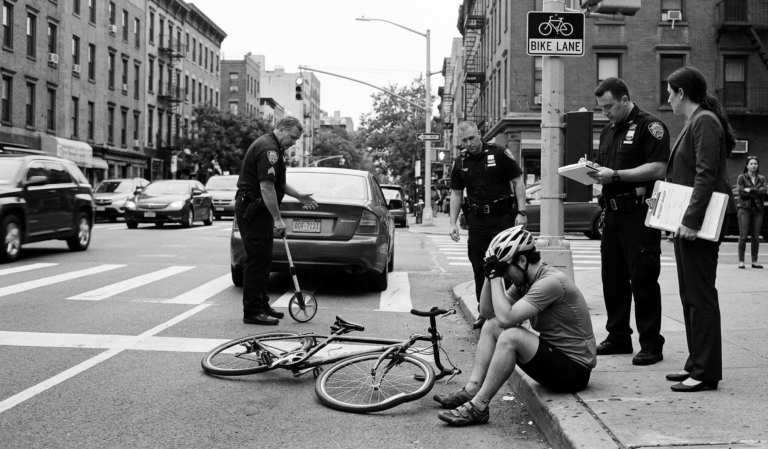
Personal Injury Law - Areas of Expertise
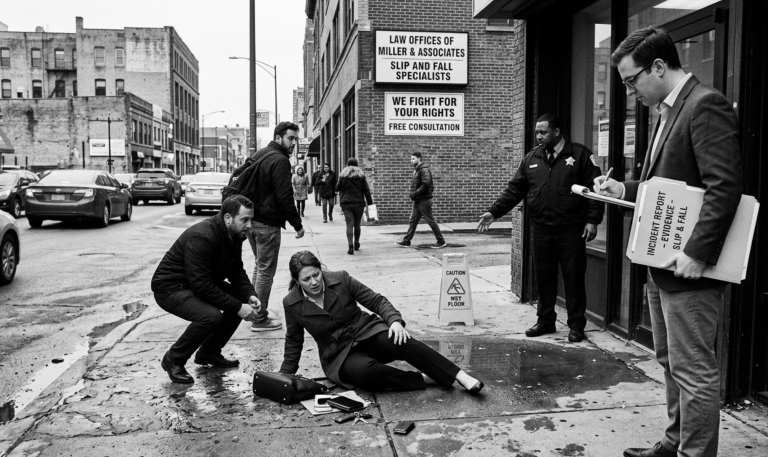
Personal injury claims
Accidents can disrupt your entire life. We work tirelessly to handle the legal burden so you can focus on healing and getting back to normal.
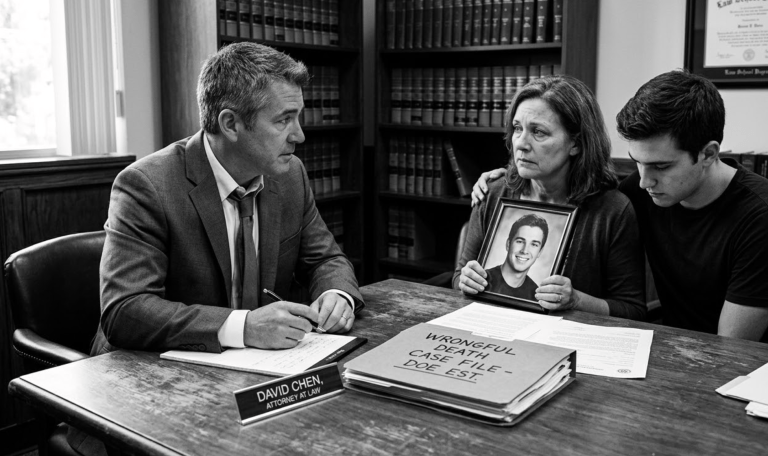
Medical malpractice
You trusted them with your health. When that trust is broken by an error, we fight to get you the answers and accountability you deserve.
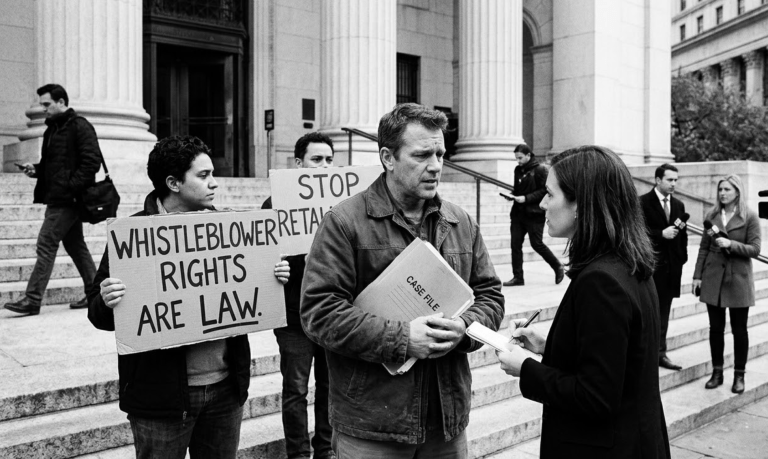
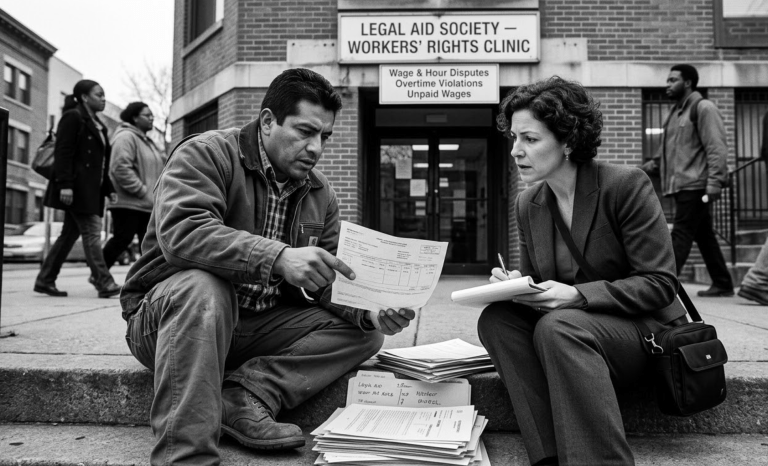
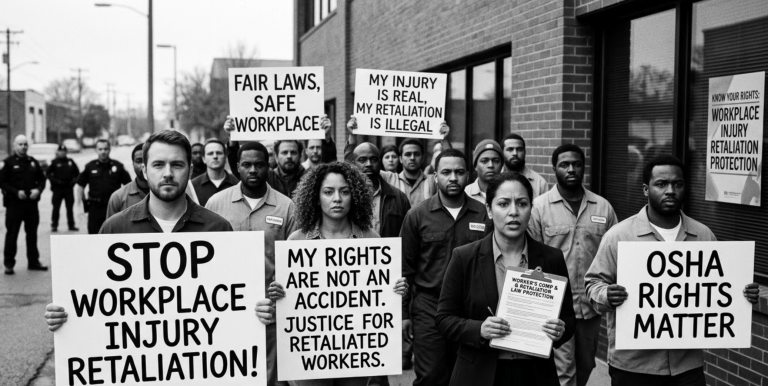
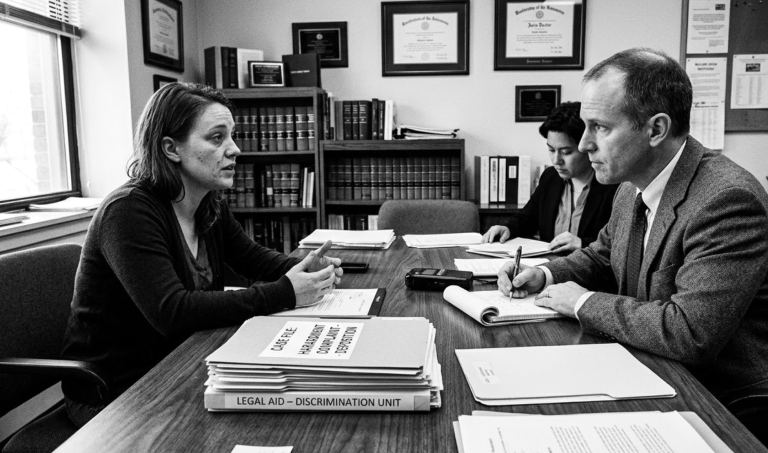
Employment disputes
Facing unfair treatment at work is isolating. We stand by your side to ensure your voice is heard and your workplace rights are fully respected.
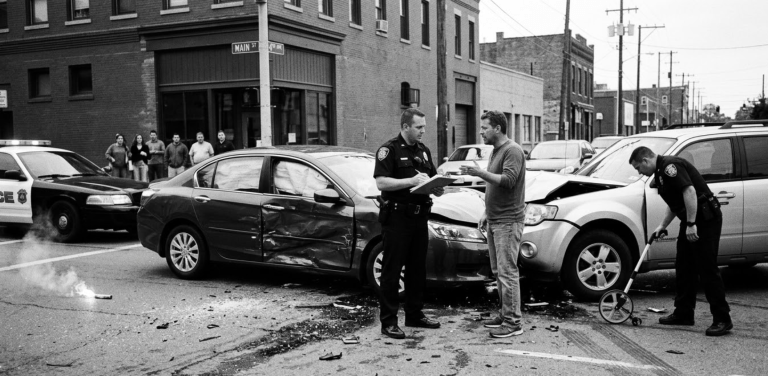
Breach of contract
A broken promise can damage your business or personal finances. We are dedicated to upholding the deal you signed and protecting your interests.
The Basics
What Does a Personal Injury Lawyer Do?
- Investigates claims and gathers evidence
- Calculates total damages and future losses
- Handles all insurance communication
- Negotiates for maximum settlements
- Advocates for you in court
A personal injury attorney manages the entire legal burden of your accident, from filing paperwork to fighting insurance adjusters, so you can focus 100% on your physical recovery.


Preferred Rewards
What Kind of Compensation Can We Recover?
Medical Expenses & Permanent Injury
Medical Expenses & Permanent Injury
From hospital bills to long-term injuries, we fight to get you the compensation needed to cover your physical recovery.
Loss of Employment
Loss of Employment
Facing unemployment is overwhelming, but you aren't alone. We understand the challenges of losing a job and are here to protect your rights.
Lost Wages
Lost Wages
Missing work shouldn’t ruin your finances. We help individuals and families recover the wages they were unable to earn during their recovery.
Property Damages
Property Damages
When your vehicle or personal property is damaged, the cost adds up. We help you secure the value of your property so you can repair or replace what was lost.
Diminished Earning Capacity
Diminished Earning Capacity
Physical injuries often limit long-term career potential. We fight for compensation to cover the gap in your ability to earn a living moving forward.
Non-material or Moral Damage
Non-material or Moral Damage
Not all damage is financial. Our compassionate team pursues justice for the emotional distress and moral injury toll taken on you and your family.
Lost Wages
Lost Wages
When unforeseen circumstances lead to lost wages, the financial impact can be daunting. At our law firm, we specialize in helping individuals and families recover the compensation they deserve.
Non-material or Moral Damage
Non-material or Moral Damage
We recognize the significance of non-material or moral damage and the toll it can take on individuals and families. Our compassionate legal team is dedicated to helping you seek justice for the emotional harm you've experienced.
Personal Injury Law - Frequently Asked Questions
Disclaimer: The information provided in this article is for general informational and educational purposes only. It is not intended to constitute legal advice and does not create an attorney-client relationship. Statutes of limitations and legal rights can vary based on specific facts and circumstances. The information contained herein can change due to changes in the law. You should not rely on this information without consulting a qualified attorney about your particular situation.
How hard is it to win a personal injury lawsuit?
The honest answer: winning at trial is hard—but most cases never get there.
The vast majority of personal injury claims (often cited around 90–95%) resolve through settlement before a jury ever hears the case. In practice, “winning” usually means securing a fair settlement, not a courtroom verdict.
Whether a case settles favorably depends on two things more than anything else:
- The strength of the evidence, and
- How clearly fault can be established
Insurance companies do not pay based on sympathy. They pay based on risk. The stronger your proof and the more credible the threat of trial, the better the outcome.
What is the role of a personal injury attorney?
A personal injury attorney’s job is not just paperwork—it’s leverage.
Your lawyer acts as your advocate and strategist by:
- Investigating the incident and preserving evidence early
- Proving liability through documents, witnesses, and experts
- Calculating the true value of your damages, including future medical care and lost earning capacity
- Managing deadlines, filings, and procedural traps
- Negotiating directly with insurance companies whose goal is to pay as little as possible
If a fair settlement cannot be reached, a competent attorney must be prepared to file suit and take the case through litigation. Insurance companies adjust their behavior dramatically depending on whether they believe the lawyer on the other side is willing—and able—to go to trial.
What percentage do most personal injury lawyers take?
Most personal injury lawyers work on a contingency fee basis, meaning they are paid only if there is a recovery.
In California, the typical structure is:
- 33⅓% (one-third) if the case resolves before a lawsuit is filed
- 40% if litigation is required or the case proceeds toward trial
This increase reflects the additional time, cost, and risk involved once a lawsuit is filed. The exact percentages should always be clearly stated in a written fee agreement before representation begins.
What is defined as a personal injury?
In legal terms, a personal injury is harm to a person’s body, mind, or emotional well-being, as opposed to damage to property.
Personal injury law (a branch of tort law) allows an injured person to seek compensation when that harm is caused by another party’s:
- Negligence
- Recklessness
- Intentional misconduct
Common examples include car accidents, slip-and-fall injuries, defective products, dog bites, and certain workplace incidents. At the core of every personal injury claim is the same question: Did the other party owe a duty of care, and did they fail to meet it?
What evidence do I need for a personal injury Claim?
Strong cases are built, not assumed.
Key evidence typically includes:
- Accident documentation, such as police reports or incident reports
- Photographs or video of the scene, vehicles, or hazards
- Medical records linking the injury directly to the incident
- Witness statements or contact information
- Proof of financial loss, including lost wages and out-of-pocket expenses
Medical records are especially important. They not only document the injury but also establish timing, causation, and severity—three issues insurers routinely challenge.
How much do most personal injury cases settle for?
There is no meaningful “average” settlement.
Case values vary widely depending on:
- Severity and permanence of the injury
- Amount of medical treatment required
- Lost income or diminished earning capacity
- Available insurance limits
- Strength of liability
Minor injury cases may resolve for a few thousand dollars. More serious cases involving long-term or permanent injuries frequently resolve for $75,000 or far more. Many moderate injury cases fall somewhere in the $20,000–$50,000 range, but every case turns on its specific facts.
How much of a $25,000 settlement will I actually receive?
Settlement value and take-home recovery are not the same thing.
From a $25,000 settlement:
- Approximately $8,333 may go to attorney fees (33⅓%)
- Medical liens or outstanding bills must be paid
- Case costs (records, filing fees, etc.) may be reimbursed
Depending on medical bills and liens, a client might net somewhere between $8,000 and $12,000. A good attorney will also attempt to negotiate medical liens downward to maximize the client’s recovery.
Who pays legal fees in a personal injury case?
Under a contingency arrangement:
- Legal fees are paid from the settlement or verdict
- If there is no recovery, attorney fees are generally not owed
Depending on the contract, case costs may or may not be the client’s responsibility if the case is unsuccessful—this should be clarified in advance.
On the defense side, the at-fault party’s legal fees are usually paid by their insurance carrier. Fee-shifting (where the losing party pays the winner’s legal fees) is rare in personal injury cases.
What is the most common personal injury claim?
Motor vehicle accidents—car, truck, and motorcycle collisions—are by far the most common personal injury claims.
Other frequent categories include:
- Slip and fall (premises liability) cases
- Workplace injuries (often handled through workers’ compensation)
- Medical malpractice and product liability cases
While auto cases are common, complexity varies significantly depending on injuries, liability disputes, and insurance coverage.
Common mistakes that hurt injury claims
Some mistakes can significantly reduce—or destroy—the value of a claim:
- Delaying medical treatment, which allows insurers to question causation
- Posting on social media, even seemingly harmless photos
- Settling too early, before the full extent of injuries is known
- Admitting fault, even casually, at the scene
Insurance companies look for reasons to minimize payouts. Avoid giving them ammunition.
Bottom Line
Winning a personal injury case is not about luck. It’s about evidence, preparation, and leverage.
A well-documented case handled by a lawyer who understands how insurers evaluate risk will almost always fare better than one rushed, underdeveloped, or handled without strategy.
Reminder:
This content is for informational purposes only and should not be relied upon as legal advice. Every case is different. If you have questions about your rights or deadlines, consult a qualified attorney promptly.
How long do I have to file a personal injury claim in California?
In most cases you have two years from the date of the injury to file a personal injury lawsuit in California, under Code of Civil Procedure section 335.1. If your claim is against a government entity, such as the City of San Diego or the County, you generally must file an administrative claim within six months. Because these deadlines are strict, it is best to speak with a San Diego personal injury lawyer early.
What areas around San Diego does Tan Ngo Law Firm serve?
We represent injured clients throughout San Diego County, including downtown San Diego, Chula Vista, La Jolla, and the North County communities of Carlsbad, Oceanside, Escondido, Encinitas, San Marcos, and Vista. Consultations are free and can be in person or remote.
How is fault decided in a California personal injury case?
California uses a pure comparative negligence rule, which means you can recover money even if you were partly at fault. Your award is simply reduced by your percentage of responsibility, so if a San Diego jury finds you 20 percent at fault you still recover 80 percent of your damages.
What is my San Diego personal injury case worth?
Value depends on your medical bills, lost income, future care, property damage, and the severity and permanence of your injuries, plus pain and suffering. Two similar injuries can settle very differently based on liability and the available insurance limits. We evaluate all of these before estimating a range.
Will my personal injury case go to trial?
Most California personal injury cases settle before trial, often before a lawsuit is even filed. We prepare every case as if it will be tried, because that readiness is what produces strong offers. If an insurer refuses fair value, we are prepared to litigate in San Diego Superior Court.
How much does a personal injury lawyer cost in San Diego?
We handle personal injury cases on contingency, so there is no upfront fee and you pay nothing unless we recover for you. Our fee is a percentage of the recovery, agreed in writing before we start. This lets injured people across San Diego get representation regardless of their finances.
Do I need a lawyer, or can I handle my claim myself?
You can deal with an insurer yourself, but adjusters routinely offer far less than a claim is worth, especially when injuries are serious or fault is disputed. A San Diego personal injury attorney levels the field by valuing the claim properly and handling negotiations. Because we work on contingency, hiring counsel costs nothing out of pocket.
What should I do right after an accident in San Diego?
Get medical care, report the incident, and document the scene with photos and witness information if you safely can. Avoid giving a recorded statement to the other side’s insurer before speaking with an attorney. Keep all bills and records, then contact a San Diego injury lawyer to protect your rights.
Can I still recover if the accident was partly my fault?
Yes. Under California’s pure comparative fault system there is no bar to recovery for being partially responsible, even if you were mostly at fault. Your compensation is reduced by your share, and we work to keep that percentage as low as the facts allow.
How long does a personal injury case take to resolve in California?
Simpler claims can settle in a few months, while disputed-liability or serious-injury cases may take a year or more, particularly if a lawsuit is filed in San Diego Superior Court. We generally wait until you reach maximum medical improvement before settling, so the full extent of your injuries is known.
What types of personal injury cases do you handle?
We handle car, motorcycle, bicycle, pedestrian, and rideshare collisions, slip and fall and premises cases, dog bites, and wrongful death claims across San Diego County and California as a whole. If you were injured by someone else’s negligence anywhere in the region, we can review your options.
Who pays my medical bills while my San Diego injury case is pending?
Your own health insurance, MedPay, or a medical lien arrangement often covers treatment while the case is open, and those amounts are typically addressed out of the final settlement. We help coordinate care so you can treat your injuries without paying out of pocket up front.
What if the at-fault driver was uninsured or underinsured?
Many California drivers carry little or no insurance, which is why uninsured and underinsured motorist coverage on your own policy matters. We can pursue a claim against your own UM/UIM coverage to recover when the at-fault party cannot pay.
Can I sue a government entity for an injury in San Diego?
Yes, but claims against public entities like the City of San Diego, the County, or a transit agency follow special rules, including a six-month deadline to file a government claim before any lawsuit. These cases are time sensitive, so contact us quickly.
What if my injuries did not appear until days after the accident?
Delayed symptoms are common with soft-tissue and head injuries, and a gap before symptoms appear does not bar a claim. Seek medical care as soon as you notice problems and tell the provider about the accident, since prompt documentation strengthens a San Diego injury claim.
Should I accept the insurance company's first offer?
Early offers are usually well below true value and may come before the full cost of your injuries is known. Once you accept, you generally cannot reopen the claim, so it is wise to have a San Diego personal injury lawyer evaluate any offer first.
Is the consultation really free?
Yes. We offer free, no-obligation case evaluations to injured people throughout California, and you owe nothing unless we win. You can call or request a consultation online to discuss your situation confidentially.