Slip and Fall
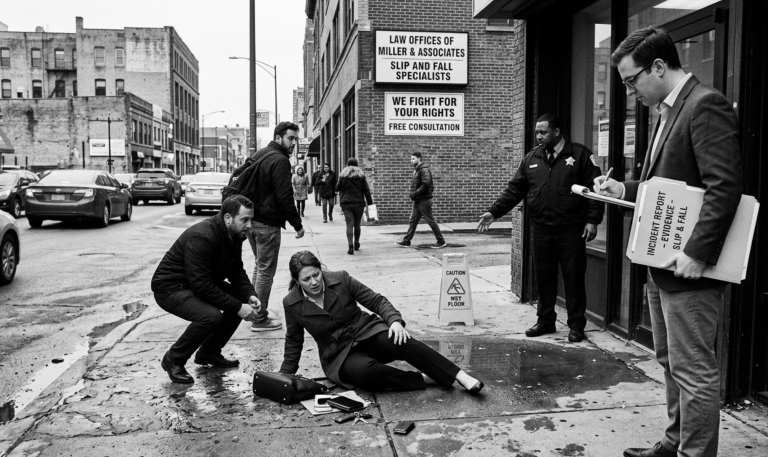
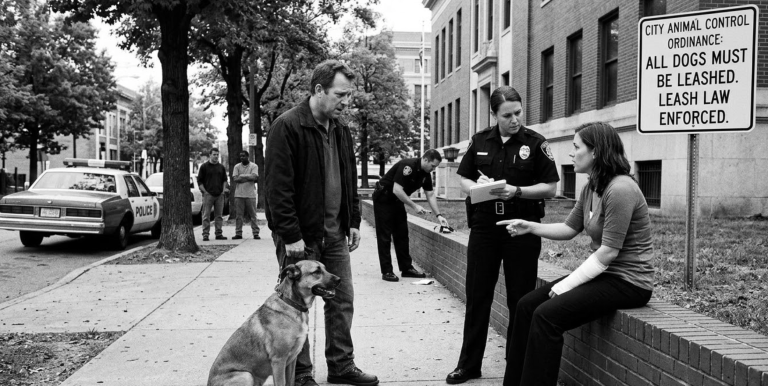
Slip and fall accidents might not sound serious, but they send thousands of people to the emergency room every year with broken bones, head injuries, back injuries, and other painful conditions. These accidents happen in grocery stores, restaurants, parking lots, office buildings, sidewalks, and private homes. When a property owner or business fails to maintain safe conditions and someone gets hurt as a result, that's not just bad luck, it's negligence.
California premises liability law holds property owners and occupiers responsible for keeping their property reasonably safe for visitors. If you've been injured in a slip, trip, or fall because of a hazardous condition that someone else should have addressed, you may have the right to pursue compensation.

Slip & Fall - FAQ
Disclaimer: The information provided in this article is for general informational and educational purposes only. It is not intended to constitute legal advice and does not create an attorney-client relationship. Statutes of limitations and legal rights can vary based on specific facts and circumstances. The information contained herein can change due to changes in the law. You should not rely on this information without consulting a qualified attorney about your particular situation.
Is it hard to win a slip and fall case?
Slip and fall cases can be challenging, but they are winnable with the right evidence and legal approach.
The difficulty comes from the fact that you have to prove more than just that you fell and got hurt. You need to show that a dangerous condition existed on the property, that the property owner or occupier knew about it or should have known about it, that they failed to fix it or warn visitors about it, and that the condition caused your fall and your injuries.
The “knew or should have known” element is often where these cases get contested. Property owners will argue that they didn’t know about the hazard, that it appeared only moments before the accident, or that the condition was so obvious that you should have seen it and avoided it. These defenses can be effective if the injured person doesn’t have strong evidence to counter them.
What makes a slip and fall case easier to win is evidence showing the hazard existed for a long enough time that the property owner should have discovered and fixed it. Security camera footage, maintenance logs, witness testimony, and prior complaints about the same condition can all help establish that the owner was aware of the problem or should have been.
California’s comparative negligence rule also comes into play. If the property owner argues that you were partially at fault for not watching where you were going, your recovery may be reduced by your percentage of fault, but you won’t be completely barred from making a claim.
How much are most slip and fall settlements?
Slip and fall settlement amounts vary enormously depending on the severity of the injuries, the clarity of the liability, and the insurance coverage available.
Minor injuries like bruises, sprains, and strains that resolve within a few weeks typically settle in the range of $10,000 to $25,000. Moderate injuries like broken bones, torn ligaments, or herniated discs that require medical treatment over several months often settle between $25,000 and $150,000. Serious injuries involving surgery, hospitalization, traumatic brain injury, spinal damage, or permanent disability can result in settlements from $150,000 to well over $500,000. Cases involving catastrophic injuries or injuries to elderly victims that lead to a significant decline in health have settled for $1 million or more. Every case is unique and must be evaluated based on its specific facts and circumstances.
Several factors influence the settlement amount beyond just the injuries. How clearly the property owner was at fault, the quality of the evidence, the injured person’s share of fault if any, the total medical expenses, lost wages, the impact on daily activities, and the insurance policy limits all affect the final number.
Insurance companies typically handle slip and fall claims through the property owner’s commercial general liability policy or homeowner’s insurance policy. The limits of that policy set a practical ceiling on the recovery in most cases.
What is a slip and fall lawyer called?
A slip and fall lawyer is a type of personal injury attorney who handles premises liability cases. You may hear them referred to as a premises liability lawyer, a personal injury lawyer, or simply a slip and fall attorney.
Premises liability is the area of law that governs a property owner’s or occupier’s responsibility to maintain safe conditions for visitors. Slip and fall cases fall under this umbrella, along with other types of accidents caused by unsafe property conditions, such as inadequate lighting, broken stairs, uneven flooring, falling objects, and inadequate security.
When looking for a lawyer to handle a slip and fall case, look for someone with specific experience in premises liability. These cases involve particular legal standards and evidence requirements that differ from car accidents, medical malpractice, or other personal injury claims. An attorney who regularly handles premises liability cases will know what evidence to gather, what experts to consult, and how to counter the common defenses that property owners raise.
Can you sue a company if you slip and fall?
Yes. If you slip and fall on a company’s property because of a hazardous condition that the company knew about or should have known about, you can file a premises liability claim against them.
Businesses have a legal duty to maintain their premises in a reasonably safe condition for customers, clients, and other lawful visitors. This duty includes regularly inspecting the property for hazards, promptly cleaning up spills or debris, repairing damaged flooring or walkways, providing adequate lighting, and warning visitors about known dangers that haven’t been fixed yet.
When a business fails to meet this standard and someone is injured as a result, the business can be held liable for the victim’s damages. Common examples include slipping on a wet floor in a grocery store that had no warning sign, tripping over a broken step at a restaurant entrance, falling in a parking lot because of cracked or uneven pavement, and slipping on ice or debris at a retail store that wasn’t cleared.
The claim is typically filed against the business’s commercial general liability insurance policy. Most businesses carry this type of insurance, and the policy limits vary depending on the size and type of business.
In some situations, the property owner and the business tenant may share liability. For example, if a restaurant leases space in a shopping center and the fall was caused by a condition in a common area maintained by the property owner, both the restaurant and the property owner could be responsible.
What evidence helps a slip and fall case?
Strong evidence is the backbone of a successful slip and fall case. Here’s what you should try to gather.
Photographs and video of the hazardous condition are the most valuable pieces of evidence. Take pictures of whatever caused your fall, whether it’s a wet floor, a broken tile, an uneven surface, or debris. Photograph the surrounding area as well, including the absence of warning signs, poor lighting, or anything else that contributed to the accident. Take photos from multiple angles and distances.
Incident reports filed at the location are important. Most businesses have a process for documenting accidents. Ask for a copy of the incident report or at least confirm that one was filed. If the business refuses to give you a copy, your attorney can obtain it during the claims process.
Witness information can be critical. If anyone saw you fall or saw the hazardous condition before the fall, get their name and contact information. Independent witnesses who have no connection to you or the business carry the most weight.
Your own written account of what happened should be created as soon as possible. Include the date, time, location, what you were doing, what caused the fall, and what happened afterward. Details fade quickly, so writing things down while they’re fresh makes a big difference.
Medical records linking your injuries to the fall are essential. Get medical attention right away, even if you think your injuries are minor. Tell the doctor exactly how the fall happened. Your medical records create a direct connection between the hazardous condition and your injuries.
Surveillance footage from the property may show the fall itself or show that the hazardous condition existed for a period of time before the accident. Request that the business preserve any video footage. Surveillance systems often overwrite footage on a short cycle, so acting quickly is important. Your attorney can send a formal preservation letter to make sure the footage isn’t destroyed.
Maintenance and inspection logs can show whether the business was properly maintaining the property. If the logs reveal that inspections were missed or that the hazard was reported but not fixed, that’s strong evidence of negligence.
Your clothing and shoes from the day of the fall may be relevant. The property owner may argue that your footwear was inappropriate or contributed to the fall. Keep the shoes you were wearing so your attorney can address this if it comes up.
What is a reasonable slip and fall settlement offer?
A reasonable settlement offer accounts for the full scope of your damages, not just your current medical bills.
It should cover all medical expenses related to the fall, including emergency treatment, diagnostic imaging, specialist visits, physical therapy, surgery if applicable, and any future medical care you’ll need. If your treatment is still ongoing, a reasonable offer should account for projected future costs.
Lost wages for time you missed from work should be included. If the injury has affected your long-term ability to earn a living, loss of future earning capacity should be factored in.
Pain and suffering is a legitimate and often substantial part of a slip and fall settlement. The amount depends on the severity of the injuries, the duration of your recovery, and the impact on your daily life. A settlement that only covers medical bills and lost wages but ignores pain and suffering is not reasonable.
If the fall resulted in permanent scarring, limited mobility, or chronic pain, the settlement should reflect those long-term consequences.
A good way to evaluate whether an offer is reasonable is to compare it against the total value of your claim as calculated by your attorney. If the offer falls significantly below that number, it’s likely a lowball attempt by the insurance company. Insurance adjusters often make low initial offers hoping the injured person will accept quickly without understanding the full value of their case.
Don’t accept any settlement offer without having an attorney review it first. Once you accept, you can’t go back and ask for more, even if your injuries turn out to be worse than you expected.
How long can a slip and fall case last?
The timeline for a slip and fall case depends on the complexity of the claim, the severity of the injuries, and whether the case settles or goes to litigation.
Straightforward cases with clear liability and moderate injuries can settle within three to six months. This typically involves gathering medical records, documenting the hazardous condition, sending a demand to the insurance company, and negotiating a settlement.
More complex cases, especially those involving disputed liability, serious injuries, or uncooperative insurance companies, can take a year or longer. If the property owner denies responsibility or the insurance company lowballs the claim, litigation may be necessary.
Once a lawsuit is filed, the case enters the discovery phase, where both sides exchange evidence, take depositions, and retain experts. This phase alone can take six months to a year. After discovery, the case may go to mediation, where a neutral third party helps both sides negotiate. Many cases settle at mediation.
If the case goes all the way to trial, the full process from filing to verdict can take one to two years or more, depending on the court’s schedule and the complexity of the issues.
Reaching maximum medical improvement before settling is important. If you settle before your treatment is complete, you may not account for future medical expenses and could end up with less than your case is worth.
Are slip and fall cases hard to win?
They can be, but they’re far from unwinnable. The difficulty depends on the evidence available and how clearly negligence can be established.
The biggest challenge in most slip and fall cases is proving that the property owner knew or should have known about the hazardous condition. If a puddle of water formed on a grocery store floor five seconds before you slipped on it, it’s hard to argue the store should have cleaned it up already. But if the puddle had been there for 30 minutes, or if the store had a history of spills in the same area and no protocol for checking the floor regularly, the argument becomes much stronger.
Property owners also frequently raise the defense that the hazard was open and obvious, meaning a reasonable person should have seen it and avoided it. If a bright yellow wet floor sign was posted and you walked through the area anyway, the property owner will argue you bear responsibility for the fall. Your attorney can counter this by showing the sign was inadequate, obscured, or not placed near the actual hazard.
Comparative negligence is another factor. The defense will look for anything that suggests you contributed to the fall, such as being on your phone, wearing inappropriate footwear, or ignoring a warning. Even if you were partially at fault, you can still recover under California law, just at a reduced amount.
The cases that are hardest to win are those with little physical evidence, no witnesses, and no documentation of the hazardous condition. The cases that are easiest to win have surveillance footage showing the hazard existed for an extended period, prior complaints from other visitors, clear evidence of inadequate maintenance, and strong medical records linking the injuries to the fall.
How much compensation can I get for a fall?
The compensation available depends on the specific injuries and circumstances of your case. California does not cap damages in premises liability cases, so the recovery is limited only by the actual losses you suffered and the available insurance coverage.
Economic damages include all medical expenses related to the fall, lost wages, loss of earning capacity if the injuries affect your ability to work, and any other out-of-pocket costs. For severe injuries requiring surgery, ongoing treatment, or long-term care, economic damages alone can be substantial.
Non-economic damages compensate for pain and suffering, emotional distress, loss of enjoyment of life, and any permanent impairment or disfigurement caused by the fall. These damages are subjective and depend on how the injuries have affected your daily life. A person who suffers a broken hip that limits their mobility for years will receive more in non-economic damages than someone who fully recovers from a sprain in a few weeks.
Punitive damages are rare in slip and fall cases but may be available if the property owner’s conduct was especially egregious, such as knowingly allowing a dangerous condition to persist despite multiple complaints and injuries.
The best way to get a realistic estimate of your potential compensation is to consult with a personal injury attorney who handles premises liability cases and can evaluate the strength of your evidence and the full scope of your damages.
How long do I have to file a slip and fall claim in California?
You generally have two years from the date of the fall to file a personal injury lawsuit in California. If you fell on government property, such as a public building or sidewalk maintained by the City of San Diego, a six-month claim deadline may apply.
Do you handle slip and fall cases in Oceanside and Carlsbad?
Yes. We represent people injured in falls throughout San Diego County, including Oceanside, Carlsbad, Escondido, and downtown San Diego, whether the fall happened in a store, restaurant, apartment complex, or parking lot.
What do I have to prove in a California premises liability case?
You generally must show the property owner knew or should have known about a dangerous condition and failed to fix it or warn you, and that this caused your injury.
What is the 'notice' requirement in a slip and fall case?
Notice means the owner either created the hazard, knew about it, or should have discovered it through reasonable inspection. For example, a San Diego grocery store that left a spill for an hour likely had constructive notice. Proving notice is often the hardest part of these cases.
Can I sue a store or business if I fall on their property?
Yes. Stores, restaurants, and other businesses in San Diego owe customers a duty to keep premises reasonably safe. If they failed to address a known hazard like a wet floor or broken step, they can be held liable.
What if I was partly at fault for my fall?
Under California’s pure comparative negligence rule you can still recover even if you were partly responsible, such as not noticing a sign. Your compensation is reduced by your percentage of fault, not eliminated.
Can I recover if I fell in a rented apartment in San Diego?
Possibly. Landlords must maintain common areas and address known dangers, so a fall caused by a broken stair or poor lighting in a San Diego apartment complex may support a claim against the property owner or manager.
How much is a slip and fall case worth in San Diego?
Value depends on the severity of your injuries, medical costs, lost wages, and whether the injury is lasting, since falls can cause fractures, head injuries, and back injuries. We evaluate your specific San Diego claim before estimating.
What if I fell on a public sidewalk or government property?
Claims against the City of San Diego or the County follow special rules, including a six-month deadline to file a government claim before any lawsuit. These cases are time sensitive, so contact us quickly.
How much does a slip and fall lawyer cost?
We handle premises cases on contingency, with no upfront fee and payment only if we recover for you. People injured in falls across San Diego County can get help without paying out of pocket.
Is the consultation free?
Yes. We offer free consultations to fall-injury victims throughout San Diego County, from Oceanside to Chula Vista, with no obligation and no fee unless we win.