Employment Law - Areas of Expertise
We specialize in handling a wide range of employment law disputes, including:
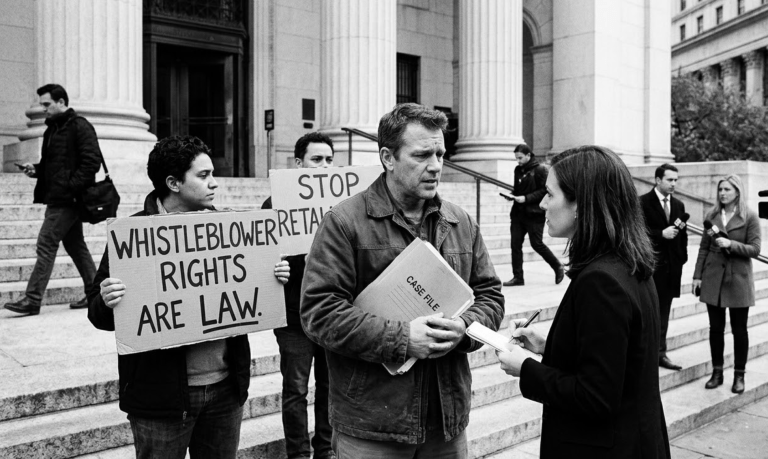
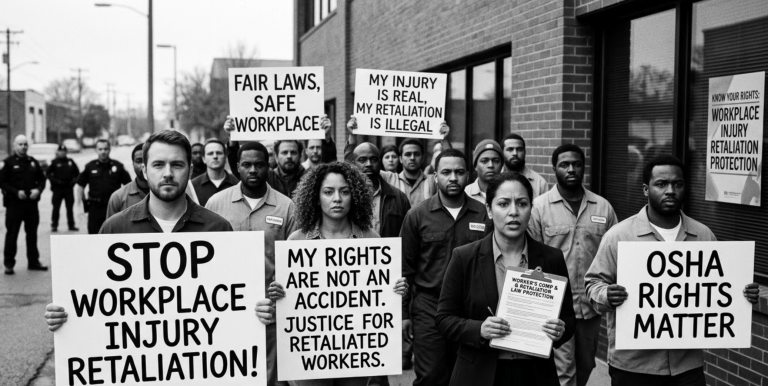
Retaliation
Employees who have faced retaliation for engaging in protected activities, such as reporting discrimination, harassment, or illegal conduct in the workplace, deserve strong legal advocacy.
Wrongful Termination
When an employee is terminated unlawfully, whether due to discrimination, retaliation, breach of contract, or violation of public policy, we fight to hold employers accountable for their actions.
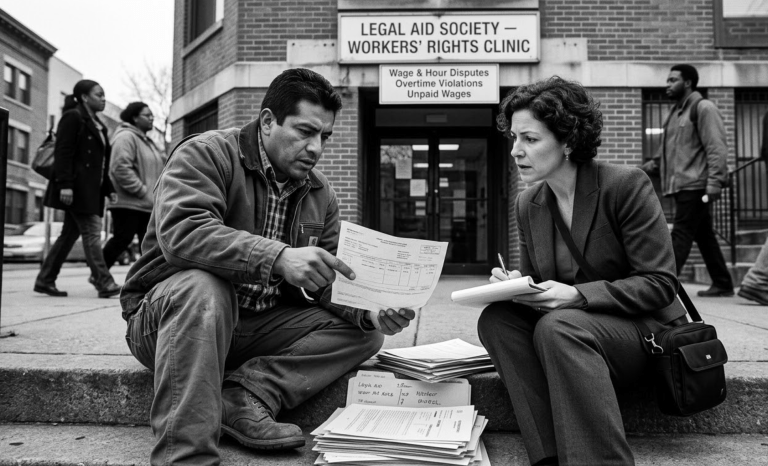
Wage Disputes
Employees deserve fair compensation for their work. We assist employees in pursuing claims for unpaid wages, overtime violations, and other wage-related disputes.
FMLA Violations
The Family and Medical Leave Act (FMLA) provides important protections for employees who need to take time off for medical or family reasons.
What Does an Employment Lawyer Do?
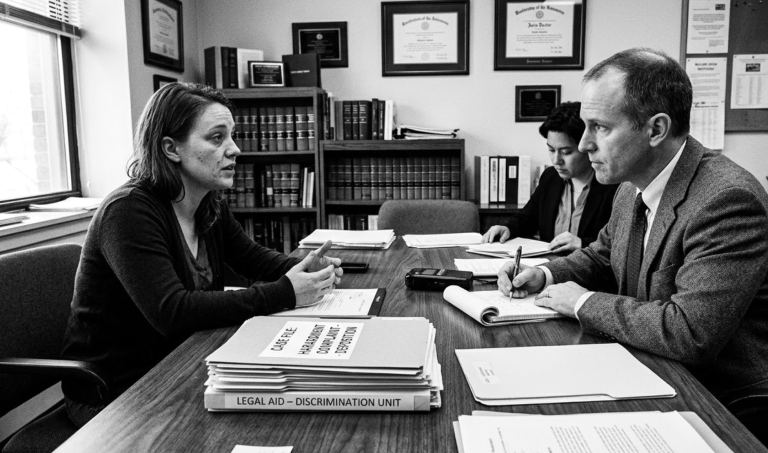
- Workplace Rights Assessment
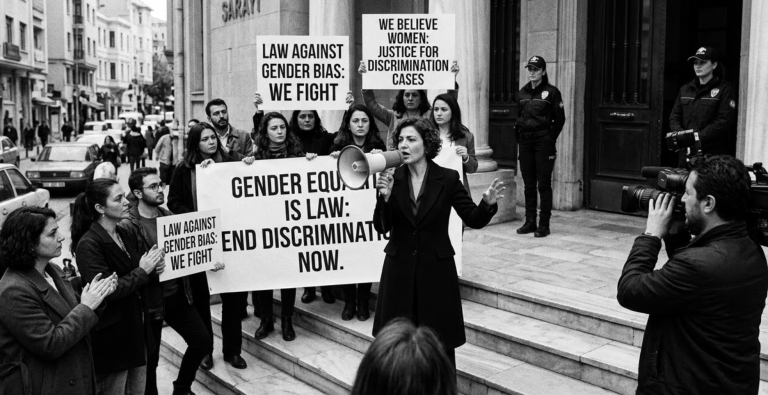
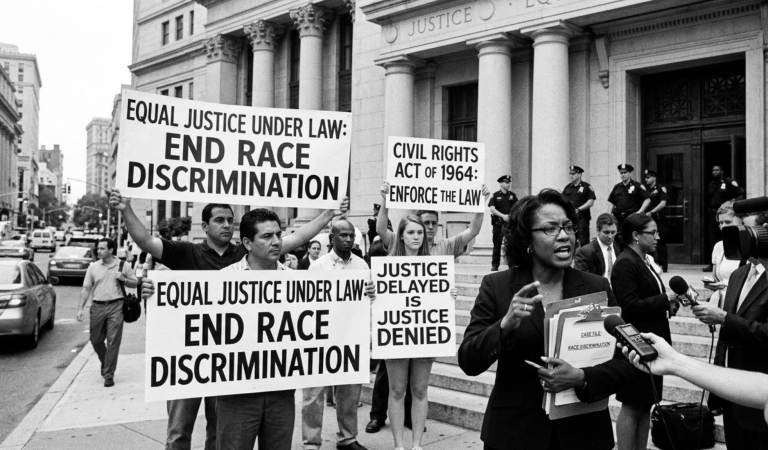
- Discrimination & Harassment
- Wage & Hour Claims
- Accommodation & Leave
- Mediation, Settlement & Litigation
At Tan Ngo Law, we understand the importance of protecting employee rights and ensuring fair treatment in the workplace. Whether you have experienced retaliation, wrongful termination, wage and hour violations, overtime violations, FMLA violations, or other employment-related issues, our experienced attorneys are here to provide guidance, support, and effective legal representation.


How to Apply
Do You Think You Have a Case?
Whether seeking resolution through negotiation or advocating in the courtroom, the civil litigation attorney's role is to protect their client's interests and pursue a fair and just outcome.
How We Protect Employee Rights
Comprehensive Legal Representation
Comprehensive Legal Representation
Our experienced team of attorneys offers comprehensive legal representation tailored to the unique needs of each client.
Knowledgeable Guidance and Support
Knowledgeable Guidance and Support
We provide knowledgeable guidance and support every step of the way, helping clients understand their rights under the law and advising them on the best course of action for their situation.
Assertive Advocacy in Disputes
Assertive Advocacy in Disputes
We are known for our assertive advocacy in employment law matters, fighting vigorously to protect our clients’ rights and seek justice on their behalf.
Empowerment Through Legal Knowledge
Empowerment Through Legal Knowledge
We empower clients by providing them with the information and resources they need to understand their rights under the law and make informed decisions about their case.
Commitment to Fairness and Equality
Commitment to Fairness and Equality
We are dedicated to promoting fairness and equality in the workplace, fighting against injustice, discrimination, harassment, and retaliation.
Lost Wages
Lost Wages
When unforeseen circumstances lead to lost wages, the financial impact can be daunting. At our law firm, we specialize in helping individuals and families recover the compensation they deserve.
Non-material or Moral Damage
Non-material or Moral Damage
We recognize the significance of non-material or moral damage and the toll it can take on individuals and families. Our compassionate legal team is dedicated to helping you seek justice for the emotional harm you've experienced.
Employment Law - Frequently Asked Questions
Disclaimer: The information provided in this article is for general informational and educational purposes only. It is not intended to constitute legal advice and does not create an attorney-client relationship. Statutes of limitations and legal rights can vary based on specific facts and circumstances. The information contained herein can change due to changes in the law. You should not rely on this information without consulting a qualified attorney about your particular situation.
What is an employment lawyer called?
An employment lawyer is most commonly referred to as an employment attorney, though you may also hear terms like labor attorney, workplace rights lawyer, or wrongful termination attorney.
While these labels are sometimes used interchangeably, there are important distinctions:
- Labor lawyers typically focus on union-related matters, collective bargaining, and disputes between unions and management.
- Employment lawyers usually handle disputes involving individual employees, such as discrimination, retaliation, harassment, wage-and-hour violations, and employment contracts.
Employment lawyers may represent either side—employees or employers—depending on their practice. Some attorneys further specialize and may market themselves as wage-and-hour attorneys, wrongful termination lawyers, or disability discrimination attorneys, reflecting the specific types of cases they handle most often.
Is it expensive to sue an employer?
For employees, the upfront cost of bringing a claim is often lower than people expect.
Many employee-side employment lawyers work on a contingency fee basis, meaning the attorney is paid only if the case results in a settlement or judgment. In California, contingency fees in employment cases commonly range from 40% to 45%, reflecting the risk and complexity of litigation.
If you hire a lawyer on an hourly basis instead, costs can escalate quickly. Hourly rates often range from $300 to $600+ per hour, and employment litigation can involve significant additional expenses, including filing fees, deposition transcripts, expert witnesses, and motion practice. Those costs can add up to thousands—or more—over the life of a case.
Because of this, contingency representation is often the most practical option for employees with strong claims.
Do small businesses need an employment lawyer?
A small business is not legally required to keep an employment lawyer on retainer, but having an ongoing relationship with one is often a smart preventive measure.
An employment lawyer can help a business:
- Draft compliant employee handbooks and policies
- Properly classify employees and contractors
- Prepare legally sound offer letters and termination documents
- Navigate leave laws, accommodations, and wage requirements
In many cases, early legal guidance can prevent mistakes that later turn into costly lawsuits. From a risk-management perspective, an employment lawyer often functions as a proactive safeguard rather than a reactive expense.
Are employment lawyers free?
Employment lawyers are rarely “free” in the charitable sense. However, many offer free initial consultations to evaluate whether a potential claim is legally viable.
If a lawyer takes the case on contingency, you generally do not pay out of pocket at the start. The attorney’s fee is paid from the recovery, if any.
Legal aid organizations and pro bono clinics do exist, but they are limited in scope and capacity and are typically reserved for low-income individuals or specific categories of cases. Most employment litigation is handled through private counsel.
Can I sue my employer for getting hurt at work?
In most cases, no. California’s workers’ compensation system is designed to be the exclusive remedy for workplace injuries.
Workers’ compensation provides medical treatment and wage benefits regardless of fault. In exchange, employees generally give up the right to sue their employer for negligence.
There are important exceptions, including situations where:
- The employer intentionally caused the injury
- The employer failed to carry required workers’ compensation insurance
- The injury was caused by a defective product or a negligent third party (a “third-party claim”)
Because these exceptions are fact-specific, it is important to speak with an attorney before assuming you are barred from recovery outside workers’ compensation.
What is an example of unfair treatment at work?
Not all unfair treatment is illegal.
Unfair treatment becomes unlawful when it is based on a protected characteristic or when it violates specific employment laws. Examples include:
- Firing, demoting, or refusing to promote an employee because of race, gender, age, religion, disability, or another protected category
- Retaliating against an employee for reporting harassment, discrimination, wage violations, or safety concerns
- Punishing an employee for taking legally protected leave
By contrast, favoritism, poor management, or promoting a less-qualified individual—while frustrating—are not necessarily illegal unless tied to discrimination, retaliation, or a contractual violation.
Determining whether conduct crosses the line from unfair to unlawful often requires a careful legal analysis.
What are illegal things an employer cannot do?
Under California and federal law, employers are prohibited from engaging in a wide range of conduct, including:
- Discriminating in hiring, firing, pay, or promotion based on protected characteristics
- Allowing or ignoring a hostile work environment involving harassment
- Retaliating against employees for asserting their legal rights
- Requiring employees to work “off the clock” without pay
- Denying legally mandated meal or rest breaks
- Misclassifying employees as independent contractors to avoid wages, overtime, or benefits
- Violating workplace safety laws, including forcing employees to work in hazardous conditions without proper protection
These laws are complex, and violations are not always obvious on the surface. If you suspect misconduct, speaking with an employment lawyer can help clarify whether you have an actionable claim and what options are available.
Reminder:
This content is for informational purposes only and should not be relied upon as legal advice. Every case is different. If you have questions about your rights or deadlines, consult a qualified attorney promptly.
How long do I have to file an employment claim in California?
Most California discrimination, harassment, and retaliation claims require filing a complaint with the Civil Rights Department (CRD, formerly DFEH) within three years of the violation, then filing suit within one year of receiving a right-to-sue notice. Deadlines vary by claim type, so consult a San Diego employment lawyer promptly.
Which California employers are covered by FEHA?
California’s Fair Employment and Housing Act applies to employers with five or more employees for discrimination and retaliation claims, and to all employers, even one-person shops, for harassment claims. This is broader than federal law, which often requires 15 or more employees.
What does at-will employment mean in California?
At-will means either side can usually end the job at any time, but it does not let an employer fire you for an illegal reason such as discrimination, retaliation, or refusing to break the law. Those exceptions are where most wrongful termination claims arise.
What areas does Tan Ngo Law Firm serve for employment cases?
We represent employees throughout California including San Diego County, Los Angeles County, and Orange County. Consultations are free and confidential.
How much does an employment lawyer cost in San Diego?
Many California employment cases are handled on a contingency basis, meaning no upfront fee and payment only if we recover for you. In some matters fees can also be recovered from the employer under FEHA. We explain the fee structure clearly at your free consultation.
Do I have to file with a government agency before I can sue my employer?
For most FEHA claims you must first obtain a right-to-sue notice from the California Civil Rights Department, which can be requested immediately or after an investigation. Wage claims can go to the Labor Commissioner or court. We handle these administrative steps for you.
What is the difference between state and federal employment law in California?
California law generally gives employees stronger protections than federal law, including a lower employer-size threshold, no damage caps under FEHA, and broader leave and wage rights. We typically pursue claims under California law to maximize your protection.
Can my employer retaliate against me for filing a complaint?
No. California law prohibits retaliation for reporting discrimination, harassment, safety issues, or wage violations, or for participating in an investigation. Retaliation, such as demotion, discipline, or firing after a complaint, can be its own claim.
What damages can I recover in a California employment case?
Depending on the claim, recovery can include lost wages and benefits, emotional distress, and in serious cases punitive damages, plus attorney’s fees under FEHA. Unlike federal law, California does not cap most of these damages.
Should I quit my job before talking to an employment lawyer?
It is usually best to speak with an employment attorney before quitting, because quitting can affect your claim and benefits. In some situations, intolerable conditions amount to constructive discharge, but that is a fact-specific question worth reviewing first.
What types of employment cases do you handle?
We handle wrongful termination, discrimination, harassment, retaliation, whistleblower, disability and leave, and wage and hour matters for employees across California. If something at work feels unlawful, we can help you assess it.
Is my conversation with your firm confidential?
Yes. Your consultation is confidential, and we understand many employees fear retaliation for seeking advice. We can discuss your situation discreetly and explain your options before you decide on any next step.
Do I need proof in writing to have an employment case?
Written proof helps, but it is not required. Witness testimony, patterns of conduct, performance records, and timing can all support a claim. Bring whatever you have, such as emails, texts, pay records, or a timeline, to your San Diego consultation.
Can independent contractors bring employment claims in California?
Sometimes. California’s strict ABC test means many workers labeled contractors are legally employees and may be owed wages, overtime, and other protections. We can evaluate whether you have been misclassified.
What is constructive discharge?
Constructive discharge happens when an employer makes conditions so intolerable that a reasonable person would feel forced to quit, and in those cases quitting can be treated like a wrongful termination. Because the legal standard is demanding, have an attorney review the facts first.
How long does an employment case take in California?
Timelines vary widely. Some matters resolve in months through a settlement or agency process, while litigated cases in San Diego Superior Court can take a year or more. We give you a realistic estimate based on your specific claim.
Is the consultation free?
Yes. We offer free, confidential consultations to employees throughout San Diego County and work on contingency in most cases, so there is no cost to learn where you stand.