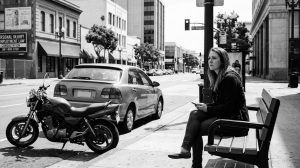

Motorcycle Accident Claims: Helmet Laws and Insurer Bias Against Riders
Disclaimer: The information provided in this article is for general informational and educational purposes only. It is not intended to constitute legal advice and does not create an attorney-client relationship. Statutes of limitations and legal rights can vary based on specific facts and circumstances. The information contained herein can change due to changes in the law. You should not rely on this information without consulting a qualified attorney about your particular situation.
Motorcycle riders face a double challenge after a crash: more severe injuries, and an insurance system that often assumes they were reckless. If you were hurt in a California motorcycle accident, understanding helmet laws, fault, and rider bias is key to protecting your claim.
Why motorcycle claims are treated differently
Motorcyclists have little protection in a collision, so the same impact that dents a car can cause life-altering injuries to a rider. That means higher medical costs and larger claims — which insurers scrutinize aggressively. Adjusters frequently start from the assumption that the rider was speeding, lane-splitting unsafely, or ‘asking for it,’ regardless of what actually happened.
California’s universal helmet law — and how it affects your claim
California requires every motorcycle rider and passenger to wear a DOT-compliant helmet. If you were wearing one, that removes a common insurer argument. If you were not, expect the insurer to argue your head or neck injuries were worse because of it — but a helmet violation does not automatically bar recovery for injuries a helmet would not have prevented, such as leg, arm, or spinal injuries.
The rider-bias problem
Jurors and adjusters carry stereotypes about motorcyclists. A big part of a rider’s claim is overcoming that bias with evidence: showing you were riding legally, obeying speed limits, and that the other driver caused the crash. Presenting you as a careful, licensed rider is often as important as the medical proof.
Common causes and who’s usually at fault
- Left-turn collisions, where a driver turns across a rider’s path and claims they ‘didn’t see’ the motorcycle.
- Unsafe lane changes into a rider’s lane or blind spot.
- Rear-end and following-too-close crashes at stops.
- Dooring and drivers pulling out from parking or side streets.
In many of these, the other driver is primarily at fault. California also permits lane splitting when done safely, so the mere fact that a rider was splitting lanes does not establish fault.
Severe injuries and higher case values
Road rash, fractures, spinal injuries, and traumatic brain injuries are common in motorcycle crashes. Because these injuries often involve surgery, long recoveries, and permanent effects, claim values can be substantial — which makes thorough documentation of current and future medical needs essential.
How comparative fault and ‘no helmet’ arguments are used against riders
Under California’s pure comparative negligence rule, an insurer will try to assign you a percentage of fault to shrink the payout. Expect arguments about speed, helmet use, visibility, and lane position. A lawyer counters these with accident reconstruction, witness testimony, and medical causation evidence.
Building a strong motorcycle claim
Get medical care immediately, preserve your gear and helmet, photograph the scene and your injuries, collect witness information, and avoid giving a recorded statement to the other insurer before speaking with a lawyer. Early, careful documentation is what defeats the ‘reckless rider’ narrative.
Frequently Asked Questions
Is it worth getting a lawyer for a motorcycle accident?
Usually yes. Motorcycle injuries tend to be serious and claim values high, and insurers apply extra bias against riders. A lawyer levels the field and typically increases the recovery, working on contingency so there is no upfront cost.
Does not wearing a helmet affect my claim in California?
It can. Insurers will argue a lack of helmet worsened head or neck injuries. But it does not bar recovery for unrelated injuries, and you may still recover even with some assigned fault under comparative negligence.
Are motorcyclists usually at fault in accidents?
No. In many California crashes the other driver is primarily at fault, often for turning left across a rider’s path or changing lanes unsafely. Rider bias makes it feel otherwise, which is why evidence matters.
Is lane splitting legal in California?
Yes. California law permits lane splitting when done in a safe and prudent manner. The fact that a rider was splitting lanes does not, by itself, make them at fault for a crash.
How much is a motorcycle accident settlement in California?
It depends on injury severity, medical costs, lost income, permanent effects, fault, and available insurance. Serious motorcycle cases often settle for far more than typical car-crash claims, but each case is unique.
Talk to a San Diego Attorney — Free Consultation
Tan Ngo Law Firm helps San Diego clients with motorcycle accident claims and related matters. Consultations are free and you pay nothing unless we win. Call 1-760-230-9562 or request a free case evaluation online.