
Important Disclaimer
This calculator is provided for general informational and educational purposes only and does not constitute legal advice. The results are estimates only and should not be relied upon to determine your actual statute of limitations or filing deadline.
Use of this calculator or this website does not create an attorney-client relationship with Tan Ngo Law or any of its attorneys. We make no representation or warranty as to the accuracy, completeness, or applicability of any calculation or information provided.
Statutes of limitations can vary significantly depending on the specific facts and circumstances of a case, and certain circumstances may shorten, extend, or toll a filing deadline. Do not rely on this calculator in deciding when to file a claim or lawsuit.
If you believe you may have a legal claim, consult with a qualified attorney as soon as possible to determine the deadlines that apply to your specific case.
Do I Have a Personal Injury Case in California? A Complete 2026 Guide to Knowing When to File
If you’ve been hurt because of someone else’s negligence in California, one question probably keeps running through your mind: “Do I actually have a case?” It’s a fair question — and an important one. Personal injury law sits at the intersection of strict deadlines, complex fault rules, and insurance company pushback, which means the answer isn’t always obvious without help.
This guide walks you through everything you need to evaluate a potential personal injury claim in California: what legally qualifies as a case, the deadlines you cannot afford to miss, how California’s unique fault rules affect your recovery, and what compensation you may be entitled to. By the end, you’ll have a clear sense of whether your situation justifies a free consultation with a personal injury attorney.
Take 2 minutes to find out. Use our free Case Assessment Tool for an instant evaluation based on your specific incident.
No obligation, no contact information required.
What Legally Counts as a Personal Injury Case in California?
A personal injury claim is a civil case where you seek compensation from a person, business, or government entity whose negligence (or wrongful conduct) caused you harm. Not every accident creates a viable lawsuit. To have a real case under California law, four legal elements typically must be present:
- Duty of care. The other party owed you a legal duty to behave reasonably. Drivers owe duties to other road users; property owners owe duties to lawful visitors; doctors owe duties to patients.
- Breach of that duty. The other party failed to meet the standard of care — they acted carelessly, recklessly, or in violation of a safety law.
- Causation. That breach actually caused your injury. There must be a direct, traceable link between what they did (or didn’t do) and the harm you suffered.
- Damages. You suffered actual losses: medical bills, lost income, pain and suffering, property damage, or all of the above.
If even one element is missing, the claim usually fails — even if the situation feels deeply unfair. For example, slipping on a sidewalk and breaking your wrist is awful, but if no one was negligent (the sidewalk was dry, well-lit, and properly maintained), there is generally no case. Conversely, if a grocery store ignored a spilled-liquid hazard for hours, the negligence is clear.
California also recognizes strict liability in certain situations — most notably dog bites and defective products — where you don’t need to prove the defendant was careless, only that the injury occurred under qualifying circumstances. We’ll cover those below.
Common Types of Personal Injury Claims in California
The Tan Ngo Law Firm Case Assessment Tool covers the most frequent categories of injury claims we see. Here’s how each works under California law:
Car Accidents
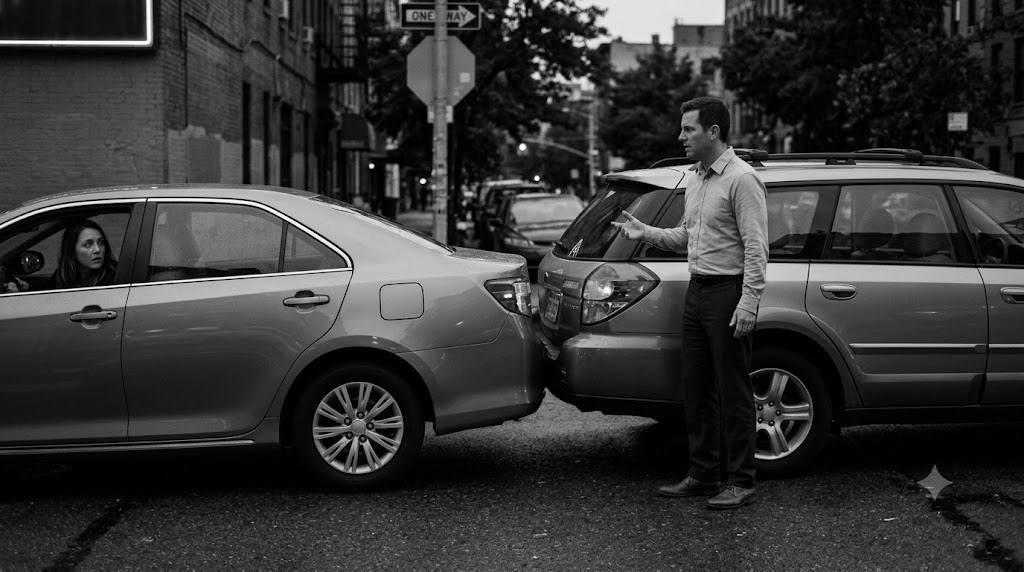
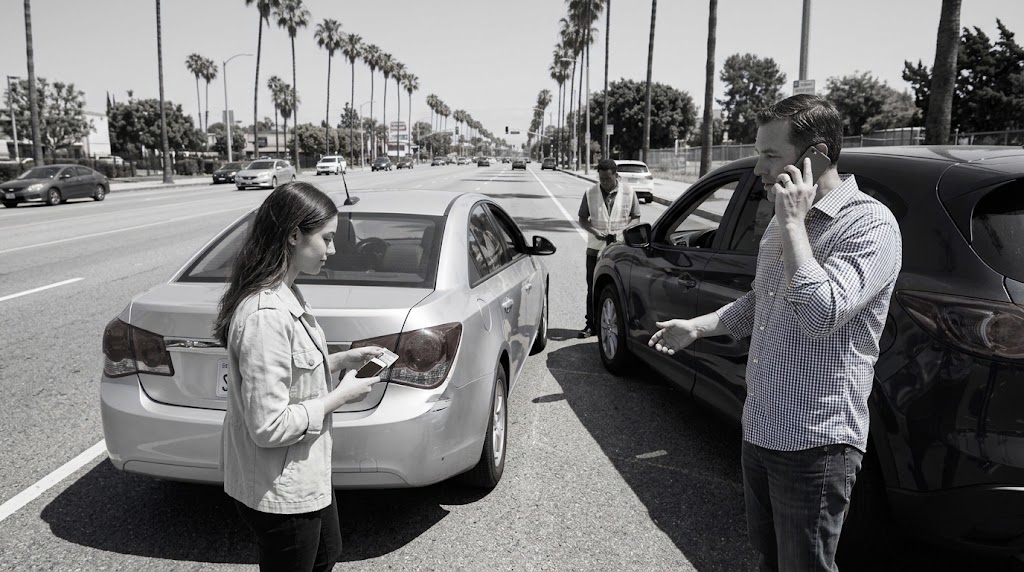
California is a fault state for auto insurance, meaning the at-fault driver (and their insurer) is responsible for damages. Claims commonly involve drivers, passengers, pedestrians, motorcyclists, and cyclists. With over 4,000 traffic fatalities each year and hundreds of thousands of injury crashes statewide, auto accidents are the single most common source of personal injury claims in California.
Key California rules to know:
- Minimum liability insurance: $30,000 per person / $60,000 per accident / $15,000 property damage (effective January 2025).
- Proposition 213 bars uninsured drivers from recovering non-economic damages (pain and suffering), even if the other driver was 100% at fault.
- Hit-and-run? You may recover through your own uninsured/underinsured motorist (UM/UIM) coverage.
Slip and Fall (Premises Liability)
Property owners — homeowners, landlords, retailers, restaurants, hotels — must keep their premises reasonably safe for lawful visitors. If a wet floor wasn’t marked, a staircase had a broken handrail, or a parking lot had a hidden pothole, the owner may be liable for resulting injuries. The plaintiff must usually show the owner knew or should have known about the hazard and failed to fix or warn about it.
Medical Malpractice
These claims arise when a healthcare provider’s negligence — misdiagnosis, surgical error, medication mistake, birth injury, failure to obtain informed consent — causes harm. California medical malpractice is governed by the Medical Injury Compensation Reform Act (MICRA), which caps non-economic damages and imposes shorter filing deadlines than ordinary injury cases. (More on MICRA below.)
Workplace Injuries
Most on-the-job injuries are handled through California’s no-fault workers’ compensation system rather than a personal injury lawsuit. However, you may have a separate “third-party” personal injury claim if your injury was caused by someone other than your employer or coworker — for example, a defective machine, a negligent subcontractor, or an unsafe condition on a property you didn’t own. These third-party claims can recover damages (like pain and suffering) that workers’ comp does not.
Product Liability
When a defective product injures a consumer, California’s strict liability rules allow you to sue the manufacturer, distributor, or retailer without proving negligence. You only need to show the product had a manufacturing defect, design defect, or inadequate warning, and that the defect caused your injury. Common examples include faulty auto components, dangerous pharmaceuticals, defective medical devices, and unsafe consumer goods.
Dog Bites
California is one of the most plaintiff-friendly states in the country for dog bite victims. Under California Civil Code § 3342, dog owners are strictly liable for bites that occur in public places or while the victim is lawfully on private property — regardless of whether the dog has ever bitten anyone before. There is no “one free bite” rule in California. The main defenses are trespassing, provocation, and the “veterinarian’s rule” (professionals who voluntarily handle dogs).
Other Incidents
Assaults, sexual abuse, nursing home neglect, swimming pool drownings, e-scooter injuries, and rideshare crashes all fall under personal injury law as well. If you’re not sure your situation fits a category, our case assessment tool’s “Other” path can help clarify whether your facts support a claim.
The Most Important Deadline: California Statutes of Limitations
A statute of limitations is a strict legal deadline. Miss it, and your case is permanently barred — no matter how strong the underlying facts are. California’s deadlines are among the shortest in the country, and the clock generally starts on the date of the injury.
California Personal Injury Filing Deadlines
| Type of Claim | Deadline to File | Statute |
|---|---|---|
| General personal injury (car accident, slip & fall, dog bite, assault) | 2 years from date of injury | CCP § 335.1 |
| Medical malpractice | 1 year from discovery OR 3 years from injury — whichever is first | CCP § 340.5 |
| Claims against a government entity (city, county, state) | 6 months to file an administrative claim | Gov. Code § 911.2 |
| Property damage | 3 years from date of damage | CCP § 338 |
| Wrongful death | 2 years from date of death | CCP § 335.1 |
| Product liability | 2 years from injury | CCP § 335.1 |
| Minors (most personal injury claims) | Clock starts at age 18 (case must be filed by age 20) | CCP § 352 |
The Discovery Rule
In some cases, you wouldn’t have known you were injured on the day it happened — think asbestos exposure, surgical sponges left inside a patient, or slow-developing toxic injuries. California’s discovery rule can pause the clock until the date you discovered (or reasonably should have discovered) the injury. This rule is narrow and fact-specific — never assume it applies without legal advice.
The 6-Month Government Claim Trap
If your injury involved a city bus, a public sidewalk, a state employee, a public school, or any government property or worker, you have only 6 months to file a formal administrative claim — not the usual 2 years. This is the single biggest deadline trap in California injury law. Once the agency responds (or 45 days pass with no response), a separate lawsuit deadline begins. Acting quickly is critical.
How California’s Pure Comparative Negligence Rule Affects Your Case
What if you were partially at fault for the accident? In many states, that ends your case. Not in California.
California follows a pure comparative negligence system, established by the California Supreme Court in Li v. Yellow Cab Co. (1975). Under this rule, you can recover damages even if you were 99% responsible for the accident — your compensation is simply reduced by your percentage of fault.
Example: A jury finds your total damages were $200,000 but assigns you 30% of the blame. You recover $140,000 (70% of the total).
This is one of the most plaintiff-friendly fault rules in the country. Only about a dozen states follow the pure comparative negligence model. Most others bar recovery entirely if you’re 50% or 51% at fault.
That said, every percentage point of fault assigned to you reduces your award dollar-for-dollar. Insurance adjusters know this and will push hard to shift blame onto you — arguing you were speeding, distracted, jaywalking, wearing the wrong shoes, or ignoring a warning sign. Documenting the scene and getting an attorney involved early is the best defense against inflated fault arguments.
What Compensation Can You Recover?
California injury victims can typically pursue three categories of damages:
Economic Damages (No Cap)
These are out-of-pocket financial losses you can document with bills, receipts, and pay stubs. They include:
- Past and future medical expenses — emergency care, surgery, physical therapy, prescriptions, mental health treatment
- Lost wages and lost earning capacity
- Property damage (vehicle repair or replacement)
- Out-of-pocket costs like transportation to medical appointments, home modifications, or hired help
There is no cap on economic damages in California personal injury cases.
Non-Economic Damages (Capped Only in Medical Malpractice)
These compensate intangible losses that don’t come with a receipt:
- Pain and suffering
- Emotional distress
- Loss of enjoyment of life
- Disfigurement and scarring
- Loss of consortium (impact on a spouse or family relationship)
For most California personal injury cases, there is no cap on non-economic damages. The only major exception is medical malpractice, where MICRA imposes statutory caps.
Punitive Damages (Rare)
Awarded only when the defendant’s conduct was malicious, fraudulent, or showed conscious disregard for safety (e.g., a drunk driver, an intentional assault, a manufacturer who hid a known defect). These damages punish the defendant rather than compensate you, and they are not available in most ordinary negligence cases.
MICRA Caps for Medical Malpractice (2026 Figures)
If your case involves medical negligence, California’s MICRA statute caps non-economic damages — but the caps were significantly raised by Assembly Bill 35, which took effect January 1, 2023. For 2026, the limits are:
- $470,000 for non-death medical malpractice cases
- $650,000 for medical malpractice wrongful death cases
These caps increase by $40,000 (non-death) and $50,000 (death) every year until 2033/2034, when they reach $750,000 and $1 million respectively. After that, they adjust 2% annually for inflation. Importantly, MICRA does not cap economic damages — there is no limit on recovery for medical bills, lost wages, or future care costs.
What to Do After an Injury: A 7-Step Action Plan
If you think you may have a case, the steps you take in the first days and weeks can make or break it. Here’s what to do:
- Get medical attention immediately — even if you feel fine. Some injuries (concussions, internal bleeding, soft tissue damage) take hours or days to surface. Prompt treatment also creates a medical record linking the injury to the incident.
- Report the incident. Call 911 for accidents involving vehicles or serious injuries. Report slip-and-falls to the property manager. Report dog bites to local animal control. Get a copy of every report.
- Document the scene. Take photos and videos of the location, your injuries, vehicle damage, hazardous conditions, and anything else relevant. Time-stamped phone photos are powerful evidence.
- Collect contact information for all witnesses, the at-fault party, and any responding officers or paramedics.
- Do not give recorded statements to insurance companies — yours or the other party’s — without legal counsel. Adjusters are trained to ask questions designed to minimize your claim.
- Stay off social media. Insurance companies routinely monitor injured claimants’ Facebook, Instagram, and TikTok accounts looking for posts that contradict your injury claims. A hiking photo from a “good day” can be twisted to suggest you weren’t really hurt.
- Consult a personal injury attorney early. Most California injury lawyers — including Tan Ngo Law Firm — work on contingency, meaning you pay nothing unless they recover compensation for you. Early consultation preserves evidence, prevents missteps, and starts the clock on insurance negotiations.
Frequently Asked Questions About California Personal Injury Cases
How much does it cost to hire a personal injury lawyer in California?
Most California personal injury attorneys work on a contingency fee basis. You pay nothing upfront — the attorney’s fee is a percentage of the final settlement or verdict (typically 33% if the case settles before trial, higher if it goes to trial). If there’s no recovery, you owe no attorney fees. Initial consultations are almost always free.
How long do I have to file a personal injury claim in California?
For most claims, two years from the date of injury. Medical malpractice has a shorter combined deadline (one year from discovery or three years from injury, whichever is first). Claims against government entities require an administrative claim within just six months. Missing these deadlines almost always means losing your right to compensation entirely.
What if I was partially at fault for the accident?
You can still recover. California’s pure comparative negligence rule allows you to collect damages even if you were 99% at fault — your award is simply reduced by your percentage of responsibility. This is more generous than most states.
How long does a California personal injury case take?
It varies widely. Straightforward claims can settle in 3–6 months. Cases involving serious injuries, disputed liability, or trial typically take 1–3 years. Factors affecting the timeline include the severity of injuries (you usually want to reach maximum medical improvement before settling), the cooperation of insurers, and court scheduling in the relevant county.
How much is my personal injury case worth?
There’s no formula. Settlement value depends on the severity and permanence of your injuries, total medical expenses, lost wages, available insurance coverage, the defendant’s degree of fault, and the strength of the evidence. An experienced attorney can give you a realistic range after reviewing your records — but be wary of any lawyer who promises a specific dollar figure at the first meeting.
Should I accept the insurance company’s first settlement offer?
Almost never. Initial offers are typically a fraction of a claim’s true value, designed to close cases cheaply before victims understand the full extent of their injuries. Once you accept and sign a release, you cannot reopen the claim — even if your condition worsens or new medical issues arise. Always have an attorney evaluate any offer before signing.
Do I need a lawyer for a “minor” injury?
Not always — but it’s worth a free consultation. Even injuries that seem minor at first can develop into long-term problems requiring ongoing care. An attorney can help you understand whether your case justifies legal representation or whether you can reasonably handle it yourself. There’s no cost to find out.
What if the at-fault party doesn’t have insurance?
You may still have options. Your own uninsured/underinsured motorist (UM/UIM) coverage can step in for car accidents. In other contexts, you can pursue the at-fault party’s personal assets, or identify additional liable parties (for example, an employer if the at-fault person was working, or a property owner in a premises case).
Can I sue if my loved one died from someone else’s negligence?
Yes. California allows wrongful death claims by surviving spouses, domestic partners, children, and certain other dependents. The deadline is generally two years from the date of death. Recoverable damages include funeral expenses, lost financial support, and loss of love, companionship, and guidance.
Is the case assessment tool actually confidential?
Yes. The Tan Ngo Law Firm Case Assessment Tool does not store your answers unless you choose to contact us. Using the tool does not create an attorney-client relationship — it’s a free educational resource designed to help you understand whether your situation may justify speaking with a lawyer.
Why Acting Quickly Matters More Than You Think
Even if your filing deadline is months away, evidence disappears fast. Surveillance footage gets overwritten in 30–90 days. Witnesses move, forget details, or become unreachable. Skid marks fade. Medical providers’ memories blur. Insurance companies start building their defense the moment they’re notified of an incident — often within hours.
The injured person who waits six months to call a lawyer is often working with a fraction of the evidence the defense already has. That asymmetry directly affects case value.
If you think you might have a case, the prudent move is to take 2 minutes to evaluate it now — not to file a lawsuit, not to commit to anything, just to understand where you stand.
Find Out If You Have a Case in 2 Minutes
Personal injury law in California is favorable to victims — but only if you act within the deadlines and avoid the common mistakes that insurance companies count on. The first step is understanding whether your situation has the legal elements of a viable claim.
The tool walks you through 10 short questions about your incident, asks no personal information, and gives you a confidential evaluation of the key factors in your case. If your situation looks viable, you’ll have the option to book a free consultation with a Tan Ngo Law Firm attorney.
Tan Ngo Law Firm has been representing injured Californians in personal injury matters across the state. We work on contingency: no fees unless we recover for you.
Disclaimer: This article provides general information about California personal injury law and is not legal advice. Reading this article and using our case assessment tool do not create an attorney-client relationship. Statutes of limitations, damages caps, and case law change — figures cited are accurate as of 2026 but may be updated by future legislation or court decisions. Only a licensed California attorney who has reviewed the facts of your specific case can evaluate your legal options. If you believe you have a personal injury claim, consult an attorney promptly to avoid missing critical deadlines.