
Why You Need a San Diego Car Accident Lawyer After a Crash
If you’ve just been in a car accident in San Diego, take a breath. What you’re feeling right now, the shock, the anxiety, the worry about money and work and your body, is completely normal. This guide is here to walk you through what comes next, in plain language, so you can make smart decisions when everything feels uncertain.
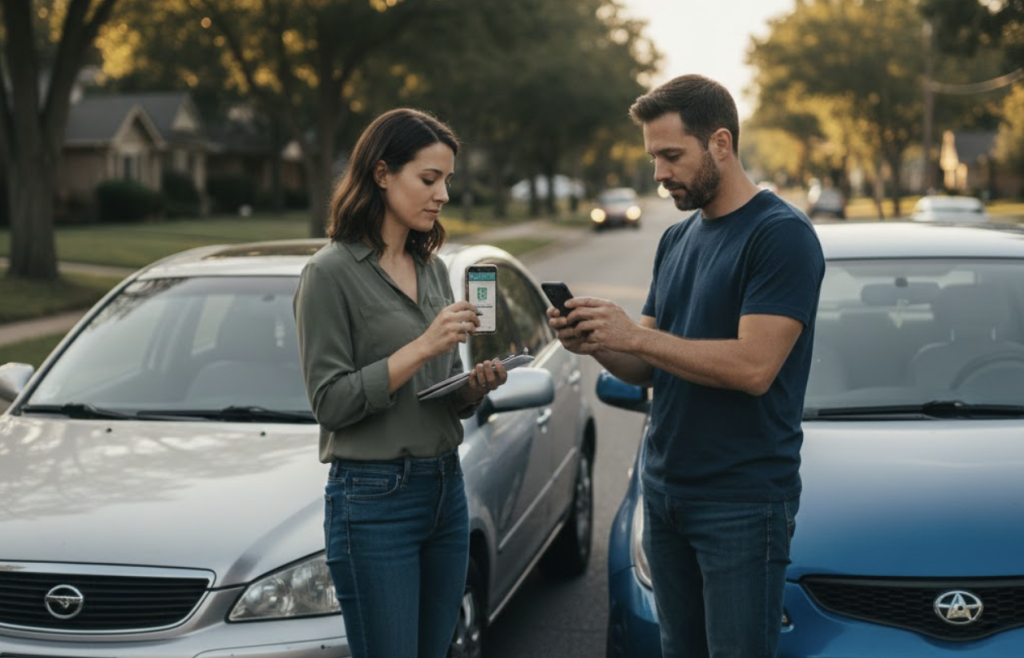
The moments immediately following a car crash in San Diego are a blur of adrenaline, confusion, and fear. Whether it’s a rear-end collision on the 5 heading toward La Jolla or a T-bone accident at a busy intersection in Mira Mesa, the physical and administrative aftermath can be overwhelming.
Many accident victims make the mistake of believing they can handle the insurance claim on their own. Unfortunately, insurance companies are for-profit businesses designed to pay out as little as possible. Without a legal advocate, you risk walking away with a settlement that covers only a fraction of your actual recovery costs.
The Reality of Car Accidents in San Diego County
Car accidents in San Diego County are far from rare. According to data from the Statewide Integrated Traffic Records System (SWITRS) maintained by the California Highway Patrol, San Diego County sees roughly 15,000 or more injury collisions every year, and around 230 traffic fatalities were reported in 2022. Stretches of I-15, I-805, and I-5 consistently rank among the most dangerous corridors in the county.
Behind every statistic is a person who didn’t expect their day to end this way. Knowing the local landscape matters, because the right legal strategy depends on understanding how San Diego courts, adjusters, and accident reconstruction experts actually handle these cases.
The Myth of “Standard” Claims
Insurance adjusters are trained to sound sympathetic. They may call you within 24 hours of the crash, offering a quick settlement to “help you put this behind you.” Do not accept this initial offer.
In 2026, the average cost of a hospital stay and vehicle repair in San Diego has skyrocketed. That “generous” quick offer often fails to account for:
- Delayed Injuries: Whiplash and soft-tissue damage often don’t show symptoms for 48 to 72 hours, and traumatic brain injury symptoms can take weeks to appear.
- Future Medical Care: Long-term physical therapy or chiropractic care needed months down the line.
- Lost Wages: The income you lose not just from the accident days, but from future medical appointments and reduced earning capacity.
A Real Example of What a Quick Settlement Can Cost You
Imagine this scenario. You’re rear-ended on I-805. Your neck hurts a little, your car is dented, and the other driver’s insurance offers you $15,000 the next week to “wrap things up.” It feels like easy money, so you sign the paperwork.
Six weeks later, the pain in your neck hasn’t gone away. It’s gotten worse. An MRI reveals a C5-C6 disc herniation, and your doctor recommends surgery that costs around $80,000, not counting physical therapy or lost income during recovery.
Here’s the problem: when you accepted that $15,000, you almost certainly signed a Release of All Claims. That document is legally binding and permanently bars you from going back for more money, even if your injuries turn out to be far worse than they seemed. The insurance company keeps the difference. You’re left holding the bill.
This is why the quick offer is rarely a favor. It’s a calculated business decision.
How Insurance Companies Use Technology Against You
Most major insurers don’t actually evaluate your claim the way you’d imagine, with a thoughtful human reviewing your file. They use proprietary software, the most well-known being a system called Colossus, that runs your claim through an algorithm and spits out a number.
Studies and industry analyses have suggested that Colossus-type systems can systematically undervalue personal injury claims by anywhere from 20% to 40% compared to their actual value. The software depersonalizes your experience and reduces a real human injury to a data point. The first offer you receive is almost always the algorithm’s number, not what your case is actually worth.
An attorney pushes back on that valuation with documentation, medical evidence, and negotiation pressure that an algorithm cannot account for.
California Law: Comparative Negligence
California operates under a “Pure Comparative Negligence” system, a doctrine established by the California Supreme Court in the landmark case Li v. Yellow Cab Co. (13 Cal. 3d 804, 1975). This means that multiple parties can share fault for an accident, and you can still recover compensation even if you were partially to blame, although your award is reduced by your percentage of fault.
Insurance adjusters often use this to their advantage. One of their favorite tactics is the recorded statement. They’ll call you, sound friendly, and ask you to “just walk through what happened.” What they’re really doing is collecting quotes they can use to assign fault to you later. A casual “I looked down for a second” or “I might have been going a little fast” can quietly cost you thousands of dollars. You are never required to give a recorded statement to the other driver’s insurer, and you generally shouldn’t without speaking to an attorney first.
Example: If your damages are $100,000 but the insurer successfully argues you were 30% at fault, your settlement drops to $70,000. A skilled attorney protects you from these tactics and fights to minimize your assigned liability.
Common San Diego Car Accident Injuries
High-speed collisions on freeways like the I-15 or I-805 often result in severe physical trauma that requires specialized legal attention to value correctly:
Whiplash and Neck Injuries. The rapid back-and-forth motion can tear ligaments, leading to chronic pain that outlasts the initial bruising. Soft tissue symptoms often take 48 to 72 hours to fully appear, which is one reason early settlements are so risky.
Concussions and TBI. Hitting your head on the steering wheel or window can cause Traumatic Brain Injuries that affect memory, mood, and sleep for years.
Internal Bleeding. Seatbelts save lives, but the force of restraint can sometimes cause internal abdominal trauma that requires immediate surgery.
Psychological Distress. Many clients experience anxiety or PTSD when getting back behind the wheel, a compensable damage often ignored by insurers.
The Critical First 72 Hours After a San Diego Car Accident
What you do in the first three days after a crash can shape your entire claim. Use this checklist:
- Call 911 and report the accident, even if it seems minor. A police report is essential evidence later.
- Get medical attention immediately, even if you feel fine. Adrenaline masks injuries, and many serious problems take 48 to 72 hours to surface.
- Document the scene. Photos of vehicle positions, damage, license plates, road conditions, traffic signs, and your injuries.
- Get witness contact information. Independent witnesses are powerful, and memories fade fast.
- Do not admit fault at the scene, even casually. Stick to facts when speaking with officers.
- Do not speak with the other driver’s insurance company before consulting an attorney. They’ll call within 24 hours. You don’t have to take that call.
- Preserve everything. Save medical records, receipts, repair estimates, and any communication from insurers.
- Contact a San Diego car accident attorney within 24 to 48 hours. Most offer free consultations.
What Tan Ngo Law Firm Does for Your Case
Hiring an attorney isn’t just about going to court. It’s about building a fortress around your claim so you can focus on healing.
Evidence Collection. We pull police reports, secure traffic camera footage, and interview witnesses before their memories fade.
Medical Coordination. We make sure you see proper specialists who document your injuries in a way that holds up in court.
Negotiation. We handle all communication with the insurance companies. You will never have to worry about saying the wrong thing to an adjuster again.
No Win, No Fee: How Our Contingency Model Works
One of the most common reasons accident victims hesitate to call a lawyer is cost. They picture hourly bills and big retainers. That’s not how personal injury law typically works in California.
Tan Ngo Law Firm operates on a contingency fee basis. That means:
- No upfront cost to hire us.
- No hourly fees while your case moves forward.
- You pay nothing unless we win or settle your case.
Most California personal injury attorneys work within a contingency fee range of roughly 33% to 40% of the recovery, depending on whether the case settles early or proceeds to litigation. The exact terms are spelled out in writing before you sign anything. The point is simple: hiring an attorney should not add to your financial stress, and in most cases it doesn’t.
Damages and Insurance Limits in 2026
As of January 1, 2025, California law (SB 1107) increased mandatory minimum liability insurance limits to $30,000 for injury to one person and $60,000 per accident.
While this is an improvement, these limits are often shockingly low compared to actual costs. A single C-spine surgery or TBI treatment in California can easily exceed $80,000 to $150,000, which means a minimum policy can be exhausted in days. If your medical bills exceed the at-fault driver’s policy limits, we look for other avenues of compensation, such as:
Uninsured and Underinsured Motorist Coverage (UM/UIM). These are two different things. UM coverage applies when the other driver has no insurance at all. UIM coverage applies when they have some insurance but not enough to cover your damages. Both can be tapped through your own policy, which is one of the strongest reasons every California driver should carry meaningful UM/UIM limits.
Third-Party Liability. Investigating whether a vehicle defect or dangerous road condition (government liability) contributed to the crash.
Strict Deadlines: The Statute of Limitations
In California, you generally have two years from the date of the accident to file a personal injury lawsuit (California Code of Civil Procedure § 335.1).
Warning: If your accident involved a government vehicle (like an MTS bus or a city truck), you have only six months to file an administrative claim under the California Government Claims Act. Missing these deadlines bars you from recovering compensation forever.
Frequently Asked Questions
What should I do immediately after a car accident in San Diego?
Call 911, get medical attention even if you feel fine, document the scene with photos, collect witness information, avoid admitting fault, do not speak with the other driver’s insurer, and contact a San Diego car accident attorney within 24 to 48 hours.
How much is my San Diego car accident claim worth?
Value depends on medical costs, lost wages, pain and suffering, future care needs, and how fault is allocated. Only a qualified attorney reviewing your specific facts can give you an accurate estimate.
What if I was partially at fault for the accident?
You can still recover under California’s pure comparative negligence rule. Your award is reduced by your percentage of fault, and an attorney helps minimize the percentage assigned to you.
How long does a car accident lawsuit take in California?
Most cases settle within 6 to 18 months. Complex cases or those that proceed to trial can take 2 to 3 years. Early attorney involvement typically speeds things up and improves outcomes.
Do I need a lawyer if the accident was minor?
Even minor accidents can involve delayed injuries or disputed liability. A free consultation costs nothing and ensures you don’t unknowingly waive your right to compensation.
What if the at-fault driver has no insurance?
Your own UM/UIM coverage may step in. There may also be third-party liability options like road defect or vehicle defect claims. An attorney investigates every possible source of compensation.
Talk to a San Diego Car Accident Lawyer Today
You don’t have to figure this out alone, and you don’t have to pay anything to find out where you stand. Tan Ngo Law Firm offers free, confidential consultations to San Diego car accident victims. We’ll listen to what happened, explain your options in plain language, and tell you honestly whether you have a case worth pursuing.
Remember, the clock is already running. With a two-year statute of limitations (and only six months for government-related accidents), waiting can quietly close doors you didn’t know were open.
📞 Call Tan Ngo Law Firm today for your free consultation. No upfront cost. No fee unless we win.