
Why Exchanging Information After a Car Accident Is So Important?
Disclaimer: The information provided in this article is for general informational and educational purposes only. It is not intended to constitute legal advice and does not create an attorney-client relationship. Statutes of limitations and legal rights can vary based on specific facts and circumstances. You should not rely on this information without consulting a qualified attorney about your particular situation.
The Law: It’s Not Optional (CVC § 20002 & § 20003)
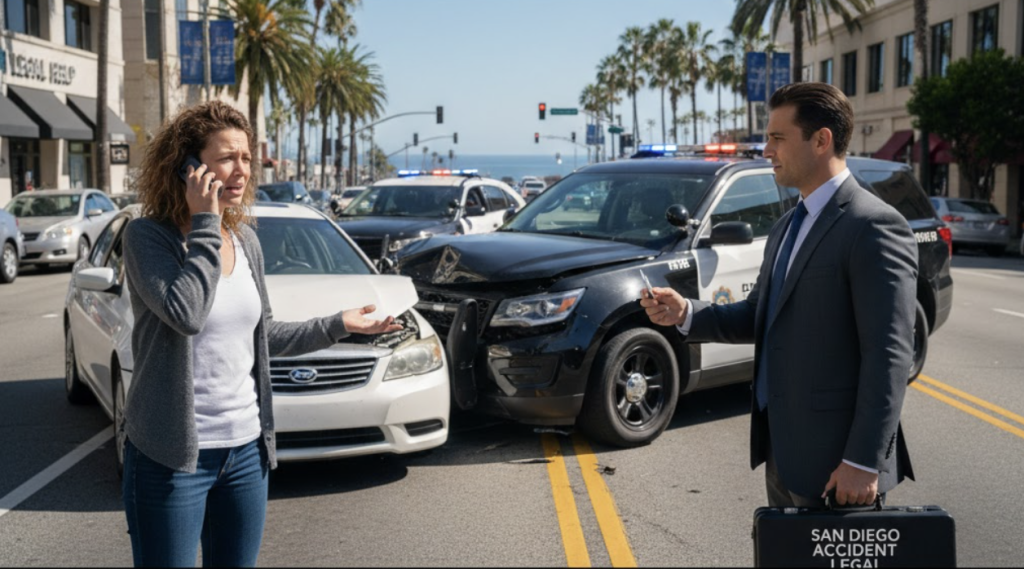
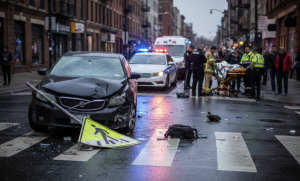
California Vehicle Code is very clear. If you are involved in any accident that results in property damage or injury, you must stop and exchange specific information.
- CVC § 20002 (Property Damage Only): Failure to stop and provide info is a misdemeanor “hit and run.” You could face up to 6 months in county jail and a $1,000 fine.
- CVC § 20003 (Injury Accidents): If someone is hurt, the stakes are higher. You must provide your information to the other driver and any police officer on the scene. Failure to do so can be charged as a felony, punishable by state prison time.
The “Golden Five”: What You Must Capture
Many people just snap a photo of a license plate and think they are done. This is not enough. A license plate tells us who owns the car, but not necessarily who was driving it.
To build a winning case in 2026, you need to leave the scene with these five pieces of data:
- Driver’s Full Name & Current Address: Ask to see their physical driver’s license. (Note: The address on the license might be old, so ask them to confirm it).
- Driver’s License Number: This allows us to track their driving history and past citations.
- Vehicle Registration Number (VIN): This is usually found on the dashboard or inside the driver’s door jamb. It confirms the car isn’t stolen.
- Insurance Company & Policy Number: Without this, we don’t know who to bill for your medical treatment.
- Vehicle Owner’s Name: If the driver is borrowing a friend’s car (or driving a company vehicle), we need the owner’s info too, as they are also liable.
The 2026 Shift: Digital Evidence
Paper insurance cards are becoming rare. In 2026, most San Diego drivers carry their proof of insurance on their phones (Apple Wallet or Google Wallet).
- The Trap: Do not just look at their phone screen.
- The Fix: Ask them to text, email, or AirDrop the screenshot to you immediately. If they drive away and you forgot the policy number, getting it later is a nightmare.
Why Your Lawyer Needs This Info
You might think, “I have their license plate, isn’t that enough?”
- Phantom Defendants: If you only have a plate, the registered owner can simply say, “I wasn’t driving, and I don’t know who was.” Without a name or ID of the driver, the case stalls.
- “Excluded” Drivers: Insurance policies often list specific people who are not covered to drive the car (like a teenager with a bad record). We need to know who was driving to determine if coverage applies.
- Uninsured Motorist (UM) Claims: If we find out early that the other driver is uninsured, we can immediately open a claim with your insurance to get your medical bills paid.
What If They Refuse to Exchange Info?
This is a scary scenario. If the other driver says, “I’m not giving you anything,” or tries to intimidate you:
- Do Not Argue: Do not put your safety at risk.
- Get the Plate: Take a photo of their rear license plate immediately.
- Get the Face: If safe, take a photo or video of the driver. This prevents them from later claiming “my car was stolen.”
- Call 911: Tell the dispatcher, “I have been in an accident and the other driver is refusing to exchange information and is acting aggressively.” This usually prompts a police response.
“I Hit a Parked Car and No One Is Around”
If you sideswipe a parked car in North Park or Downtown, you cannot just drive away. Under CVC § 20002, you must:
- Locate the owner; OR
- Leave a written note in a conspicuous place (under the wiper) with your name, address, and a brief explanation of what happened.
- Take a photo of your note on their car as proof you left it.